What Makes False Bay Shark Diving Unique Compared to Gansbaai
Cape Town and Gansbaai are two of South Africa’s best-known shark diving destinations. Both have established histories of marine wildlife tourism, experienced operators and access to waters that support several shark species. However, the experiences are not identical.
For visitors planning a shark diving trip, understanding these differences can help determine which destination is the better fit.
False Bay, located within Cape Town, offers access to a marine ecosystem known for its shark diversity, research history and proximity to the city. Gansbaai, situated in the Overberg region of the Western Cape, has its own established shark diving industry and a different coastal environment.
Although both destinations have historically been associated with great white sharks, changes in shark distribution have influenced what visitors can expect today.
This guide compares the two destinations, including shark species, marine conditions, travel logistics and the overall experience.
1. False Bay and Gansbaai Have Different Marine Environments
The first major difference is geography.
False Bay is a large bay on the eastern side of the Cape Peninsula. It supports a range of marine habitats, including kelp forests, rocky reefs, sandy seabeds and deeper offshore waters.
These habitats provide feeding and breeding areas for fish, rays, seals and several shark species.
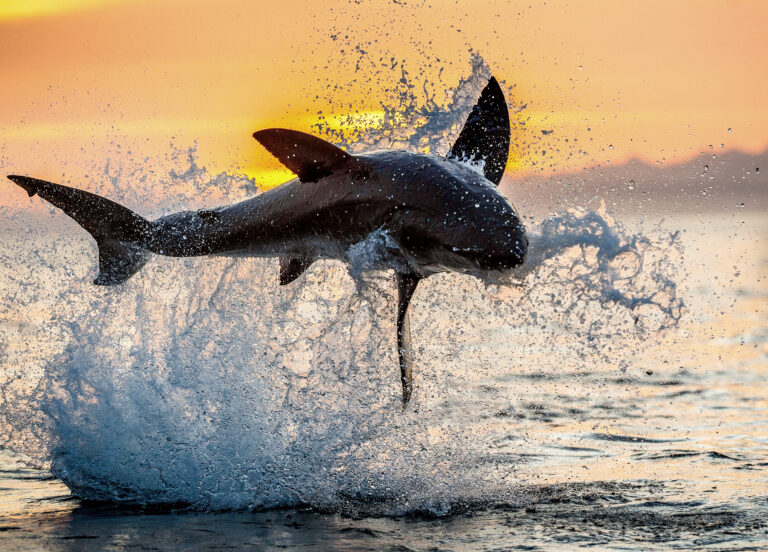
The bay has also been an important location for marine research for decades, particularly around Seal Island, where great white shark hunting behaviour was extensively documented.
Gansbaai lies in the Overberg, southeast of Cape Town. The area is known for its productive coastal waters and the marine environment around Dyer Island and Geyser Rock.
Both areas support rich marine ecosystems, but their different geography influences water conditions, wildlife movements and the experience guests have on the boat.
For visitors researching shark diving Cape Town, False Bay offers the opportunity to explore an established shark habitat without travelling outside the city.
2. Which Sharks Can You See in False Bay?
One of the most important considerations when choosing a destination is understanding which shark species you might encounter.
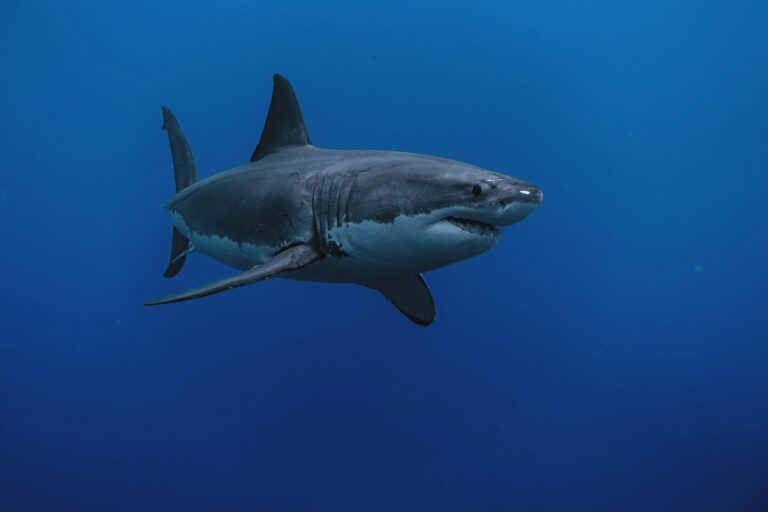
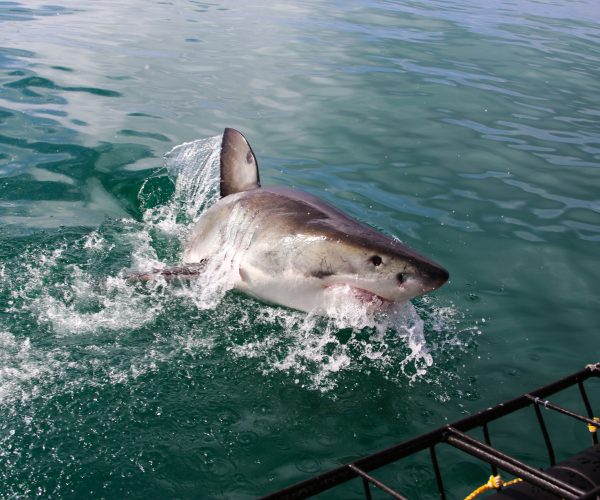
False Bay has historically been associated with great white sharks, particularly around Seal Island.
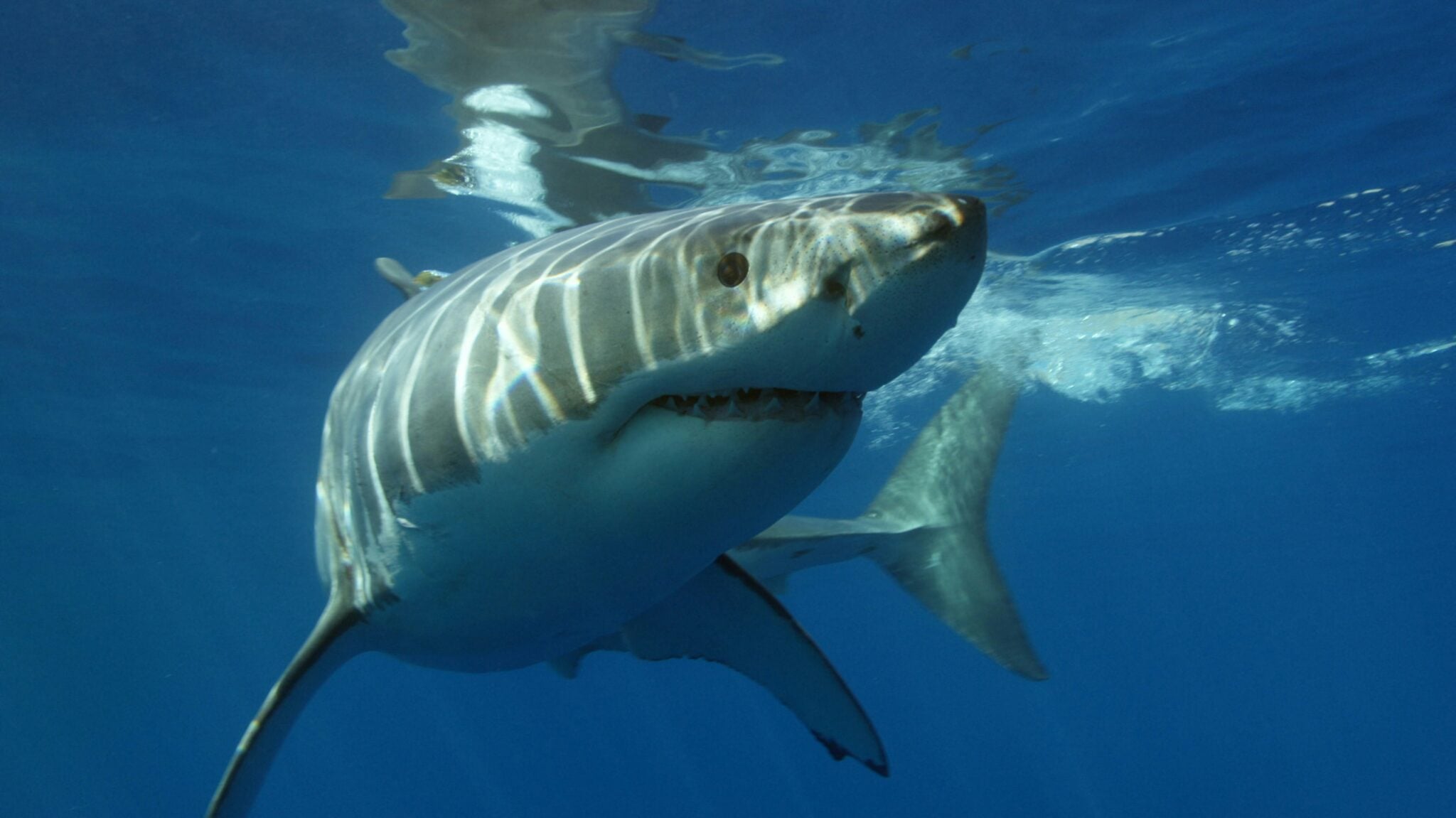
However, great white sightings have declined significantly over the past decade. Today, bronze whaler sharks, also known as copper sharks, are among the large shark species commonly encountered during Cape Town cage diving operations.
Bronze whalers can grow to more than three metres in length. Their streamlined bodies and bronze colouring make them relatively easy to identify.
They are often curious around vessels and can provide excellent opportunities for underwater observation and photography.
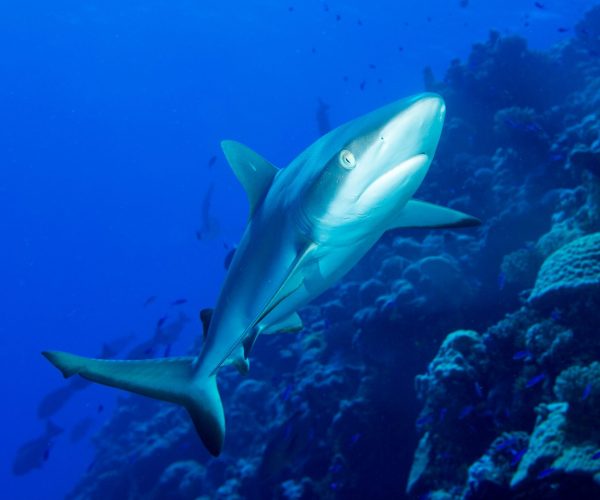
Other sharks occurring in the wider Cape Town marine environment include:
- Broadnose sevengill cow sharks
- Great white sharks
- Blue sharks
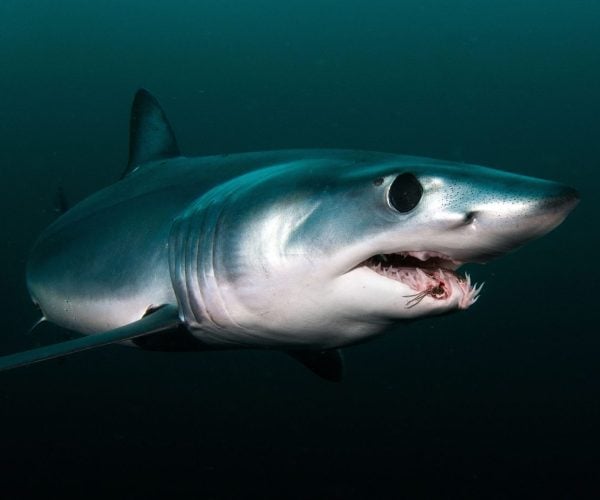
- Shortfin mako sharks
- Various smaller coastal shark species
Not all these species are routinely encountered on standard cage diving trips. Blue sharks and makos, for example, are more closely associated with offshore waters and specialised expeditions.
Visitors can learn more about these differences in our guide to which sharks you can see while shark diving in Cape Town.
The important point is that False Bay supports a diverse shark ecosystem, even though the species encountered on individual trips can change.
3. What Sharks Can You See in Gansbaai?
Gansbaai also has a long history of great white shark encounters.
For many years, the waters around Dyer Island were among South Africa’s most recognised great white shark habitats.
Like False Bay, however, Gansbaai has experienced changes in great white shark sightings.
Bronze whaler sharks now feature prominently in many cage diving experiences in the area.
Other shark species occur in the wider Overberg marine environment, although sightings depend on location, season and operating conditions.
For visitors considering shark diving Gansbaai, it is important to understand that great white sightings cannot be guaranteed.
Both destinations provide opportunities to observe sharks in their natural habitat, but neither should be marketed as offering guaranteed encounters with a particular species.
4. Why Great White Shark Sightings Have Changed
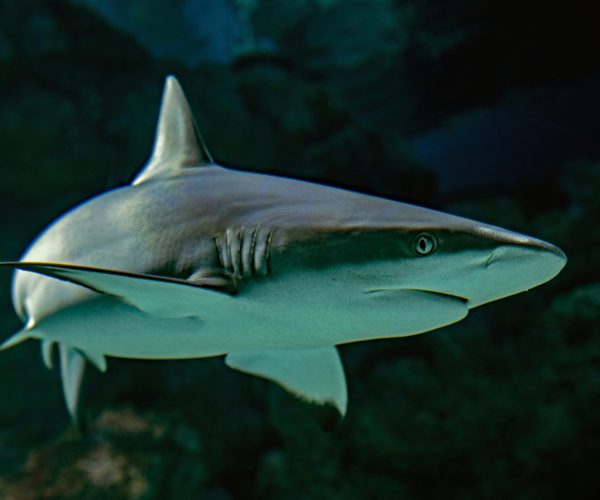
Great white sharks played an important role in establishing the international reputation of both Cape Town and Gansbaai.
Their decline in certain traditional aggregation areas has generated considerable scientific interest.
Researchers have identified several possible contributing factors, including environmental change, prey distribution, fishing pressures and predation by orcas.
Documented orca predation events have attracted particular attention.
Researchers have observed changes in shark presence following orca activity in parts of the South African coastline. However, the relationship between these events and longer-term changes in great white distribution remains complex.
It would be inaccurate to attribute every change in great white shark sightings to a single cause.
Our article explaining why great white shark diving in Cape Town has changed explores these factors in more detail.
For visitors, the practical takeaway is straightforward: book a shark diving experience for the opportunity to encounter wild sharks, rather than expecting one specific species.
5. Cape Town Offers Easier Access for Visitors Staying in the City
Travel logistics are another important difference.
Apex Shark Expeditions operates from Simon’s Town, within Cape Town, providing access to False Bay.
For travellers staying in central Cape Town or elsewhere on the Cape Peninsula, this can make planning considerably easier.
Guests can often combine a shark diving excursion with other activities, depending on departure times and weather conditions.
Popular options include visiting Cape Point, exploring Simon’s Town or spending time along the False Bay coastline.
Gansbaai requires a longer journey from Cape Town, typically around two to three hours by road each way, depending on the departure point and traffic.
For visitors staying in Gansbaai, Hermanus or elsewhere in the Overberg, the logistics may be more convenient.
Neither location is universally better. The most practical choice depends on where you are staying and how much time you have available.
6. How Do the Shark Diving Experiences Compare?
Both destinations offer professionally operated cage diving experiences, but the exact format varies by operator.
A typical trip may include a safety briefing, boat journey to the operating area, supervised cage rotations and opportunities to observe other marine wildlife.
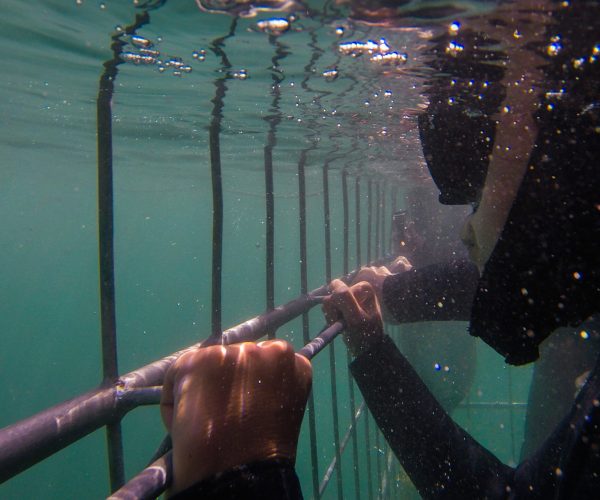
The cage remains secured to the vessel, allowing participants to observe sharks without needing advanced scuba diving skills.
Cape Town’s False Bay trips can offer convenient half-day options, although the total duration depends on the particular expedition and conditions.
Gansbaai trips can also vary in duration. Visitors travelling from Cape Town should account for the additional road journey.
When comparing operators, consider the complete experience rather than simply the advertised time on the water.
Important questions include whether equipment is provided, what happens if weather conditions prevent departure, how guests are supervised and which species are currently being encountered.
For a closer look at the experience, read our practical guide to shark cage diving in Cape Town.
7. False Bay Has an Important Scientific History
One feature that makes False Bay particularly interesting is its contribution to shark research.
For decades, researchers and experienced operators have observed shark behaviour around Seal Island and other parts of the bay.
This work has contributed to knowledge about great white shark hunting behaviour, seasonal movements, predator-prey relationships and changes in marine ecosystems.
Long-term observations are particularly valuable because they help scientists identify changes that may not be obvious from short-term studies.
The decline in great white sightings has made historical records even more relevant.
By comparing earlier observations with current conditions, researchers can investigate how shark distribution and ecosystem relationships have changed.
Responsible shark tourism can also create opportunities for public education and wildlife observation.
Our article on how shark diving supports marine research explains the relationship between tourism, scientific observation and conservation.
8. Is Shark Cage Diving Safe in Both Locations?
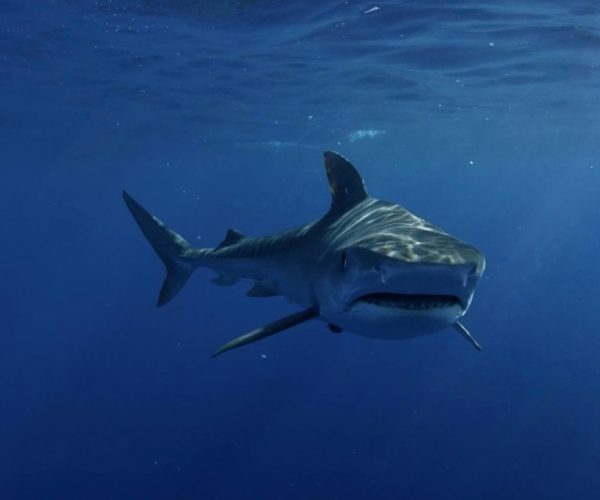
Safety should be a priority regardless of which destination you choose.
Professional shark cage diving operators use established procedures to manage risks associated with wildlife encounters and marine conditions.
These generally include vessel safety requirements, guest briefings, equipment inspections and supervision by experienced crews.
Weather is particularly important.
Strong winds, large swells and poor visibility can affect whether a trip proceeds.
Responsible operators assess conditions before departure and may postpone or cancel trips when necessary.
Guests should also follow crew instructions throughout the experience.
Shark cage diving does involve risks, as does any marine activity, but established safety procedures are designed to manage those risks.
For more information, see our Cape Town shark diving safety guide.
9. Which Destination Is Better for Photography?
Both False Bay and Gansbaai can provide opportunities for shark photography.
The quality of photographs depends on several factors, including water visibility, available light, shark behaviour and the position of the animals.
Bronze whaler sharks can be particularly interesting subjects because of their size, movement and willingness to investigate their surroundings.
However, no operator can control how close a shark approaches or how long it remains visible.
Photographers should also remember that underwater visibility changes with weather and sea conditions.
Experienced crews can help guests understand what to expect and how to make the most of available opportunities.
For many visitors, observing sharks from the boat is just as rewarding as viewing them from the cage.
10. Which Shark Diving Destination Should You Choose?
The best choice depends on your priorities.
Consideration | False Bay, Cape Town | Gansbaai, Overberg |
Location | Within Cape Town | Overberg region |
Travel from central Cape Town | 45 minutes | 2 hour and 30 minutes |
Common cage diving sightings | Bronze whaler sharks | Bronze whaler sharks |
Great white sharks | Infrequent sightings | Infrequent and variable sightings |
Marine environment | Large bay with varied habitats | Coastal waters around Dyer Island |
Research history | Extensive False Bay shark research | Established research and observation history |
Trip planning | Convenient for Cape Town visitors | Convenient for Overberg visitors |
If you are staying in Cape Town and want a shark diving experience without a long road journey, False Bay is an excellent option.
If you are already travelling through the Overberg, Gansbaai may fit more naturally into your itinerary.
The most important consideration is choosing an experienced, responsible operator and maintaining realistic expectations about wildlife sightings.
Frequently Asked Questions
Is shark diving better in Cape Town or Gansbaai?
Both destinations offer established shark cage diving experiences. Cape Town is generally more convenient for visitors staying in the city, while Gansbaai is well suited to travellers visiting the Overberg.
Can you still see great white sharks in False Bay?
Great white sharks still occur in the broader region, but sightings in False Bay have become much less common than in previous decades.
Which sharks are most commonly seen in Cape Town?
Bronze whaler sharks are among the large shark species most commonly encountered during Cape Town cage diving experiences.
Do I need scuba diving experience?
Standard surface cage diving generally does not require scuba certification. Guests receive instructions and remain in a cage attached to the vessel.
Can shark sightings be guaranteed?
No. Sharks are wild animals, and their movements depend on environmental conditions and natural behaviour.
Final Thoughts
False Bay and Gansbaai both remain important shark diving destinations, but each offers a different experience.
False Bay combines a long history of shark research, diverse marine habitats and convenient access from within Cape Town. Gansbaai offers its own established shark diving industry in the Overberg.
Although great white shark sightings have changed, both destinations continue to provide opportunities to observe large sharks in their natural environment.
For visitors interested in shark cage diving in Cape Town, Apex Shark Expeditions offers experiences built around decades of local knowledge, responsible wildlife encounters and marine education.
Explore why visitors choose Apex Shark Expeditions to learn more about our approach, or view our False Bay morning shark expedition when planning your trip.