Which Sharks Can You Actually See in Cape Town Shark Cage Diving?
For many visitors, the thought of seeing a shark in the wild is both exciting and mysterious. Cape Town has earned a global reputation as one of the world’s leading shark diving destinations, attracting wildlife enthusiasts, photographers, researchers and adventure travellers looking for an unforgettable marine experience.
One of the most common questions people ask before booking is, “What sharks will I actually see?”
The answer depends on several factors, including the season, ocean conditions and the natural movements of shark populations. Unlike an aquarium, the ocean is a dynamic ecosystem where wildlife sightings are never guaranteed. That unpredictability is part of what makes every trip unique.
While many people immediately think of great white sharks, Cape Town’s waters are home to a remarkable variety of shark species. Some are regular visitors to False Bay, while others appear only occasionally during seasonal migrations. Understanding which species you may encounter provides a greater appreciation of the diversity of South Africa’s marine environment.
Whether you are planning to swim with sharks Cape Town for the first time or simply want to learn more about these fascinating animals, this guide explains which sharks you may
Why Cape Town Is One of the Best Places to See Sharks
Cape Town offers a unique combination of marine habitats, abundant food sources and favourable ocean conditions that support a wide variety of shark species.
False Bay sits close to where the Atlantic and Indian Oceans meet, creating an ecosystem rich in marine life. Large populations of fish, seals, rays and other prey attract sharks throughout the year, although different species are more common during different seasons.
Unlike many shark diving destinations that focus on a single species, shark diving Cape Town offers the opportunity to observe multiple shark species in their natural environment.
The region has also been studied extensively for decades, making it one of the world’s best understood shark ecosystems. Long-term research has helped scientists better understand shark behaviour, migration patterns and the changing marine environment around the Cape Peninsula.
Great White Sharks
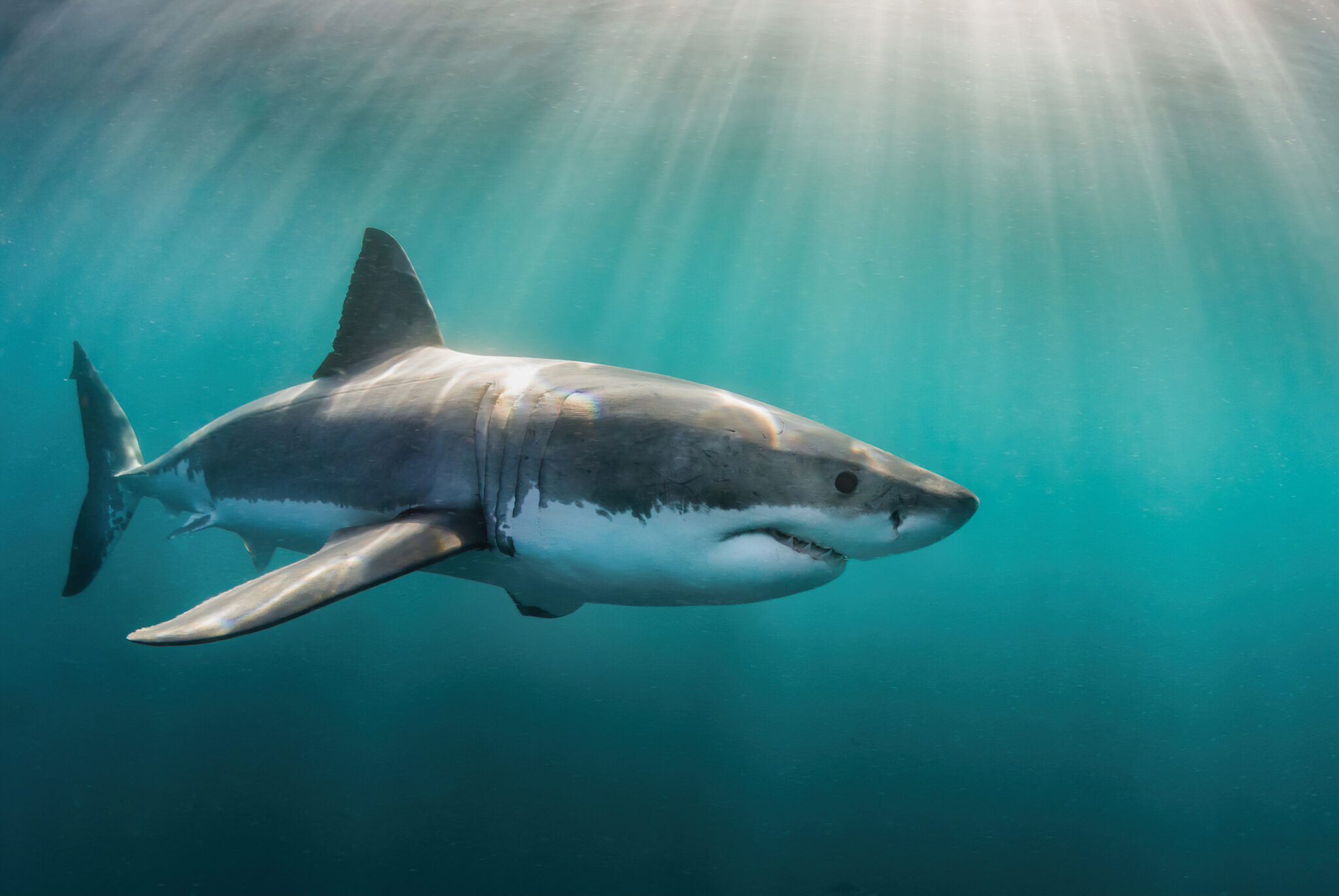
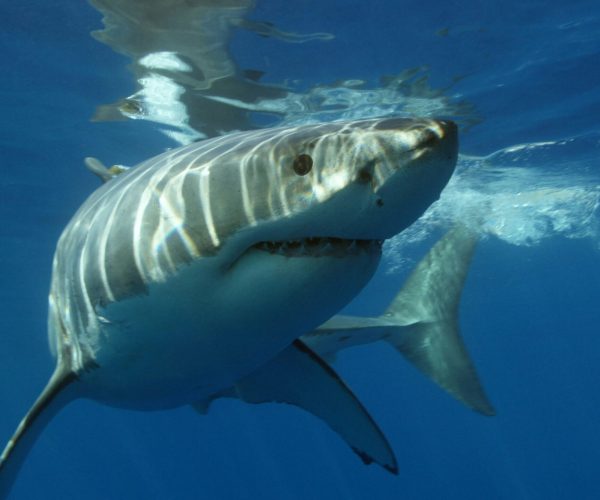
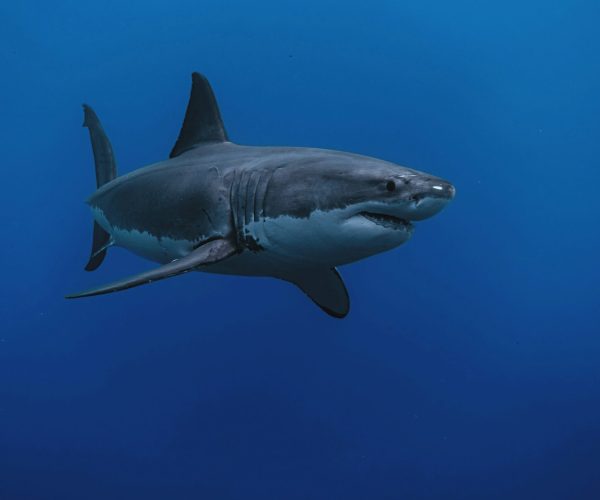
No shark is more closely associated with Cape Town than the great white shark.
For many years, False Bay became internationally recognised for spectacular surface predation events, where great white sharks hunted Cape fur seals around Seal Island. These natural hunting events attracted documentary filmmakers and marine researchers from around the world.
However, shark populations are not static.
Over the past decade, sightings of great white sharks in False Bay have become far less common than they once were. Scientists believe several factors have contributed to this change, including shifting prey availability, environmental changes and increased competition from other apex predators such as orcas.
Although encounters are now much less frequent than in previous years, great white sharks remain part of the Cape’s coastline marine ecosystem and continue to be one of the ocean’s most iconic predators.
Visitors interested in learning more about this fascinating species can explore our shark facts resource.
Bronze Whaler Sharks
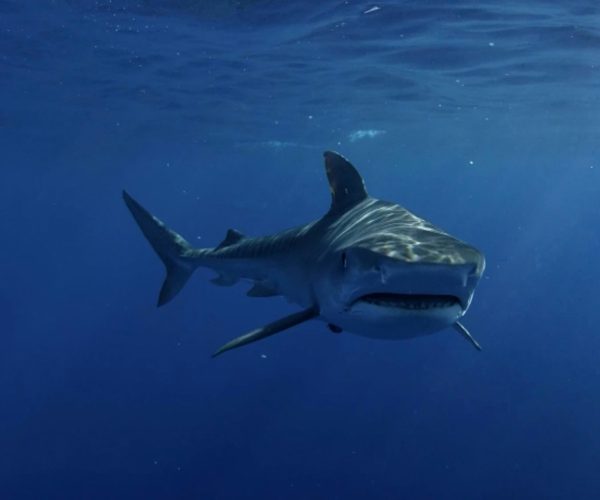
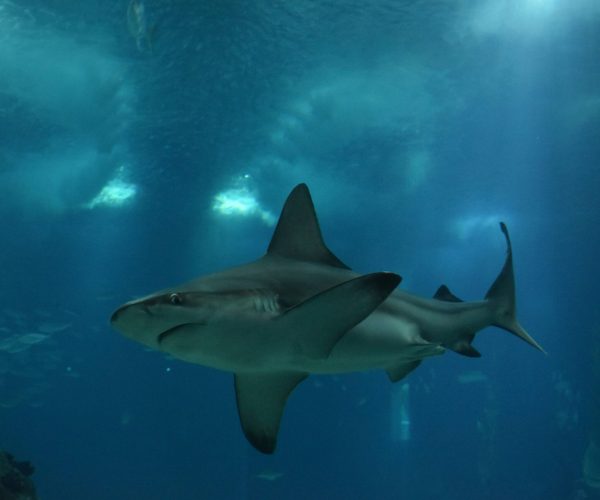
Today, bronze whaler sharks are among the species most commonly encountered during shark diving trips in Cape Town.
Also known as copper sharks, these large, streamlined sharks are highly inquisitive and often approach vessels with curiosity rather than aggression.
Bronze whalers typically grow between 2.5 and 3.3 metres in length. They can be recognised by their:
- Bronze or copper-coloured body
- Long, slender shape
- Pointed snout
- Large eyes
- Graceful swimming style
Unlike the dramatic reputation often associated with sharks, bronze whalers usually display calm and deliberate behaviour around boats.
For many guests, they provide exceptional viewing opportunities because they often remain close to the vessel for extended periods.
Their presence demonstrates that Cape Town continues to support healthy populations of large predatory sharks despite changes in great white shark sightings.
Sevengill Cow Sharks
One of Cape Town’s most unusual shark species is the broadnose sevengill cow shark.
Unlike most modern sharks, sevengills belong to one of the oldest shark families still living today. Their evolutionary history stretches back more than 150 million years, making them a remarkable example of a species that has changed very little over time.
As their name suggests, these sharks have seven gill slits instead of the five found on most shark species.
Other distinctive features include:
- Broad rounded head
- Single dorsal fin positioned far back
- Speckled grey colouring
- Thick, muscular body
- Slow, confident swimming behaviour
Although they may appear intimidating because of their size, sevengill sharks are generally calm animals that spend much of their time patrolling kelp forests and shallow coastal habitats.
Cape Town is considered one of the best places in the world to observe this ancient species.
Shortfin Mako Sharks
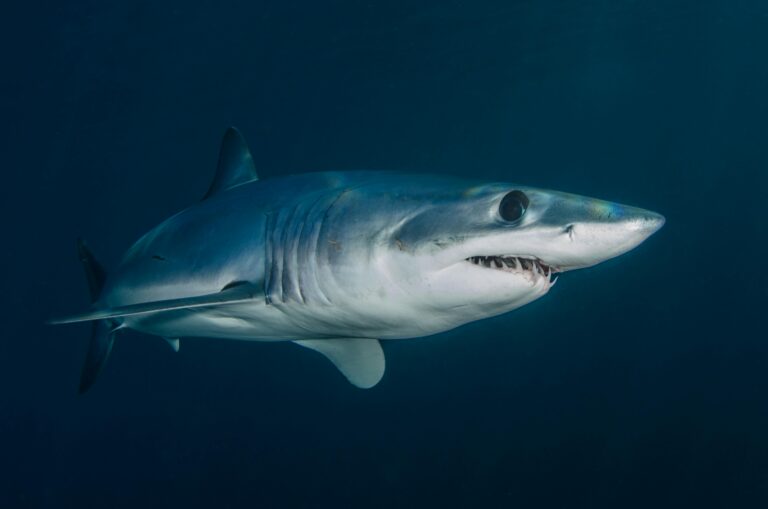
Although less commonly encountered than bronze whalers, shortfin mako sharks occasionally appear in offshore waters.
Makos are famous for their incredible speed and athletic ability.
They are widely regarded as the fastest shark species in the world, capable of bursts exceeding 70 km/h.
These sharks possess:
- Streamlined torpedo-shaped bodies
- Long pointed snouts
- Deep blue colouring across the back
- White undersides
- Large black eyes adapted for hunting
Unlike bronze whalers, makos spend much of their lives in deeper offshore waters and are therefore encountered less frequently during shark diving operations.
When they do appear, they offer an unforgettable sight due to their speed and agility.
Blue Sharks
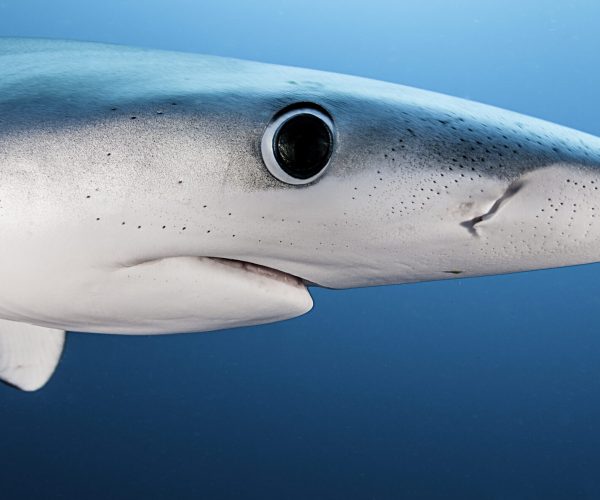
Blue sharks are another pelagic species occasionally encountered off the South African coast.
Their long, slender bodies and brilliant blue colouring make them one of the most recognisable sharks in the ocean.
Blue sharks are generally curious rather than aggressive and are known for their graceful swimming movements.
They are more commonly associated with offshore expeditions than inshore shark diving experiences but remain an important part of the region’s marine biodiversity.
Their seasonal movements are influenced by water temperature and food availability, meaning sightings can vary significantly throughout the year.
Why Every Shark Diving Trip Is Different
Unlike wildlife parks, the ocean offers no guarantees.
Sharks are wild animals that move freely through vast marine ecosystems. Weather conditions, water temperature, visibility, currents and prey availability all influence where different species choose to spend their time.
This natural unpredictability is one of the reasons every shark diving trip is unique.
Some days may offer multiple shark sightings, while others may provide opportunities to observe dolphins, whales, seals or seabirds instead.
Professional operators understand these changing conditions and use years of local knowledge to maximise opportunities while always respecting the natural behaviour of the animals.
Why Shark Sightings Change Throughout the Year
One of the most common questions visitors ask is why they cannot simply book a trip on any day of the year and expect to see the same sharks.
The answer lies in the natural rhythms of the ocean.
Sharks are highly mobile animals that respond to changes in water temperature, food availability, breeding cycles and ocean currents. Their movements are driven by survival rather than fixed migration schedules.
For example, bronze whaler sharks may become more common during certain periods, while other species move further offshore or follow seasonal food sources.
Weather also plays an important role. Water visibility, wind direction and sea conditions all influence both shark activity and the ability of operators to locate wildlife.
This is why no responsible operator can guarantee sightings of a particular shark species. Instead, every trip offers an authentic wildlife experience where guests observe nature as it occurs.
How Researchers Identify Different Shark Species
Identifying sharks involves much more than simply recognising their size.
Researchers and experienced crews use a combination of physical characteristics, behaviour and habitat preferences to distinguish one species from another.
Some of the features they look for include:
- Body shape
- Colouration
- Snout length
- Dorsal fin position
- Tail shape
- Swimming behaviour
- Preferred water depth
Behaviour can often provide additional clues.
Bronze whaler sharks are known for their curious nature around boats, while sevengill cow sharks typically move more slowly through kelp-rich habitats. Blue sharks often display graceful, sweeping movements in offshore waters, while shortfin makos are recognised for their speed and athletic bursts of acceleration.
Learning to identify these differences helps visitors appreciate that each shark species has evolved to occupy a unique role within the marine ecosystem.
Those interested in learning more about individual species can explore our comprehensive shark species guide.
Why False Bay Remains an Important Shark Research Area
Although shark populations have changed over time, False Bay continues to be one of the world’s most significant locations for shark research.
Scientists have studied the bay for decades, collecting valuable information about shark behaviour, migration, population trends and predator-prey relationships.
Long-term monitoring has helped researchers understand:
- Seasonal shark movements
- Feeding behaviour
- Habitat use
- Population changes
- Interactions between different marine species
These studies have also improved conservation strategies and expanded our understanding of how environmental changes influence marine ecosystems.
Cape Town continues to attract marine scientists from around the world because relatively few locations offer such a well-documented history of shark research.
For visitors, this means every shark diving trip takes place within one of the most scientifically significant marine environments on the planet.
Shark Diving Is About More Than One Species
Many first-time visitors arrive hoping to see a great white shark.
While this remains an understandable ambition, experienced operators know that shark diving is about much more than a single species.
Every shark contributes to the balance of the marine ecosystem.
Bronze whalers, sevengill cow sharks, blue sharks and makos each play important ecological roles as predators that help maintain healthy fish populations and support biodiversity.
Seeing any of these animals in their natural environment offers an opportunity to better understand the complexity of ocean life.
Many guests leave with a greater appreciation for sharks than they expected, regardless of which species they encounter.
Frequently Asked Questions
Are great white sharks still found in Cape Town?
Yes. Great white sharks remain part of the marine ecosystem around Cape Town, although sightings have become significantly less frequent than they were during previous decades.
Which shark species is seen most often today?
Bronze whaler sharks are now among the species most commonly encountered during shark diving experiences in Cape Town.
Are these sharks dangerous?
Sharks are wild animals and should always be treated with respect.
Professional shark diving operations are carefully managed through established safety procedures that allow guests to observe sharks responsibly from the safety of the cage.
Why do shark sightings vary?
Shark movements depend on natural environmental factors such as water temperature, prey availability, ocean currents and seasonal migrations.
Every trip is different because the ocean is constantly changing.
Choosing the Right Shark Diving Operator
When planning a shark diving experience, the quality of the operator matters as much as the wildlife itself.
Look for operators that prioritise:
- Experienced crews
- Strong safety procedures
- Environmental responsibility
- Educational experiences
- Respect for marine wildlife
Choosing an established operator helps ensure that your experience contributes to responsible wildlife tourism while providing the best possible opportunity to observe sharks in their natural environment.
You can learn more about our approach by visiting Why choose Apex Shark Expeditions.
If you are interested in experiencing one of our most popular departures, our great white False Bay morning trip explains what you can expect on the day.
Visitors planning a broader South African shark adventure may also wish to compare our shark cage diving Gansbaai experiences in the Overberg, where ocean conditions and shark activity differ from those in False Bay.
For more expert advice and trip planning information, browse our collection of shark cage diving articles.
Final Thoughts
Cape Town remains one of the world’s premier destinations for observing sharks in the wild, even though the marine environment continues to evolve.
Visitors often arrive expecting to focus solely on great white sharks, only to discover a far richer and more diverse ecosystem. Bronze whaler sharks, sevengill cow sharks, blue sharks and shortfin makos each offer a unique insight into the remarkable biodiversity of South Africa’s oceans.
Every shark diving Cape Town experience is different because the animals are completely wild. That unpredictability is one of the reasons shark diving remains such a rewarding wildlife encounter.
Whether your goal is to swim with sharks Cape Town, photograph these incredible animals or simply gain a better understanding of marine life, Cape Town offers an experience that combines adventure, education and conservation.
At Apex Shark Expeditions, every trip is built on decades of experience operating in False Bay. Our focus is on providing safe, responsible and educational shark encounters while helping guests develop a lasting appreciation for one of the ocean’s most important predators.
Book your shark cage diving Cape Town tour today.