

How Shark Cage Diving Supports Marine Research in South Africa
Shark cage diving is often viewed as a tourism activity, but it also plays an important role in marine research across South Africa. Operators spend hundreds of hours on the water each year observing shark behaviour, recording sightings, and monitoring environmental conditions.
This combination of tourism and research has helped improve understanding of shark populations, species movement, and changing ecosystems. In Cape Town, where shark diving operates directly from False Bay, this connection between tourism and science has been especially important.
This article explains how shark cage diving supports marine research and why it matters for the future of ocean conservation.
Why Research Matters for Sharks
Sharks are important apex predators that help maintain balance in marine ecosystems. However, many shark species face pressure from:
- Overfishing
- Habitat loss
- Pollution
- Climate change
- Negative public perception
Research helps scientists understand how shark populations are changing and what protections may be needed.
How Shark Diving Creates Research Opportunities
Marine research can be expensive and time-consuming. Shark diving operations provide regular access to offshore environments, which creates valuable opportunities for observation.
Every trip can provide useful information such as:
- Shark sightings
- Species present
- Water conditions
- Seasonal movement
- Behaviour patterns
Because operators are on the water frequently, they can observe long-term trends that occasional surveys may miss.
For visitors interested in direct wildlife encounters, shark diving Cape Town also provides insight into how these ecosystems function.
False Bay as a Research Environment
False Bay, located within Cape Town, has been one of the most studied shark environments in the world.
Its accessibility from the city allows regular trips, which helps create a strong data record over time.
Research in this region has contributed to understanding:
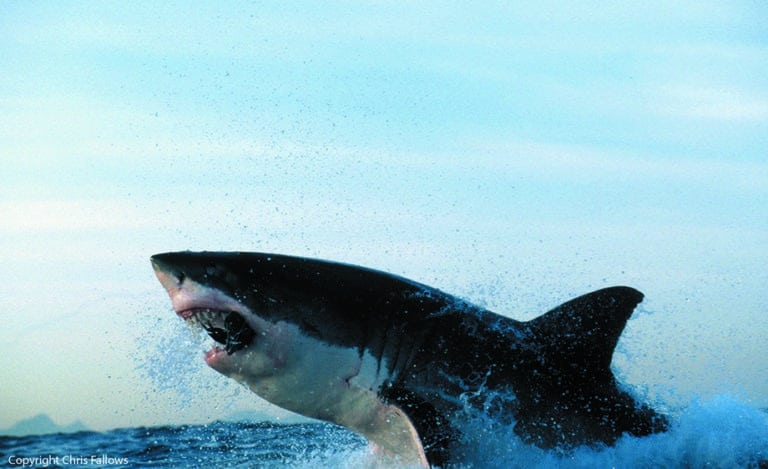
- Great white shark behaviour
- Seasonal migration
- Prey relationships
- Environmental shifts
- The arrival of new dominant species
Monitoring Ecosystem Changes
One of the most important benefits of long-term shark diving operations is the ability to track change.
Over the years, Cape Town has seen major ecosystem shifts that affected shark sightings and species presence.
Operators were among the first to observe patterns such as:
- Reduced great white sightings
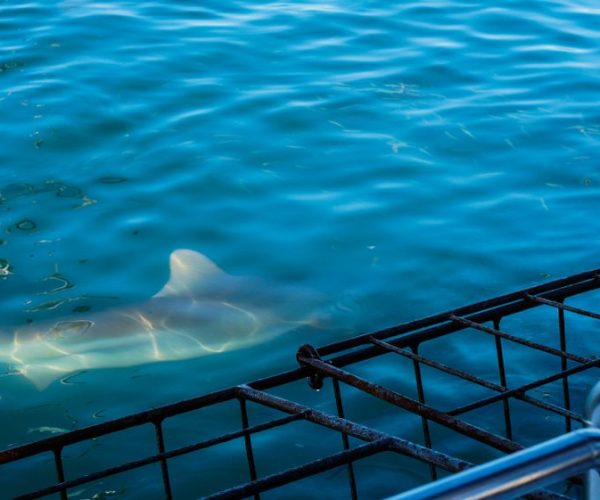
- Increased bronze whaler activity
- Orca influence on shark movement
- Changes in prey distribution
These observations are valuable because they happen in real time.
Supporting Public Education
Research alone is not enough. Public understanding also matters.
Shark diving gives guests the opportunity to learn directly from experienced crews about:
- Why sharks matter
- How sharks behave
- Common myths about sharks
- Threats to marine life
- Conservation priorities
This educational value helps improve public attitudes.
To learn more, visit the shark facts page and shark species guide.
Data Collection on Every Trip
Many people do not realise how much information can be collected during routine trips.
Examples include:
- Number of shark sightings
- Species observed
- Water temperature
- Visibility conditions
- Behaviour around the vessel
- Seasonal comparisons year to year
When recorded consistently, this data becomes valuable over time.
Why Long-Term Operators Matter
Research quality improves when observations happen consistently over many years.
Experienced operators bring:
- Knowledge of historical patterns
- Consistent trip frequency
- Reliable location records
- Better interpretation of unusual changes
This is one reason long-standing operators remain valuable to marine science.
To understand the value of experience, read why choose Apex Shark Expeditions.
Tourism Funding Supports Conservation
Tourism revenue can indirectly support research and awareness.
Successful shark diving operations often invest in:
- Staff training
- Educational materials
- Marine partnerships
- Equipment for safer and better monitoring
- Conservation outreach
This creates a model where tourism helps support broader environmental goals.
Shark Diving vs Swim With Sharks Experiences
Some travellers search for more immersive wildlife encounters such as swim with sharks Cape Town experiences.
Structured shark cage diving remains one of the most responsible ways to get close to sharks while maintaining safety and reducing impact.
It offers access, education, and observation in a controlled format.
Cape Town and Gansbaai Research Value
Cape Town and Gansbaai both contribute to marine understanding, but they operate in different regions.
Cape Town:
- False Bay ecosystem
- City-based access
- Frequent half-day trips
Gansbaai:
- Overberg location
- Different coastal conditions
- Separate marine patterns
If comparing locations, explore shark cage diving Gansbaai.
How Visitors Benefit
Guests benefit from research-focused operators because the experience often includes:
- Better commentary
- Accurate expectations
- Stronger safety systems
- Deeper understanding of sharks
- More meaningful travel memories
This creates more value than a simple sightseeing activity.
Final Thoughts
Shark cage diving supports more than tourism. It helps generate valuable observations, improve public understanding, and contribute to marine conservation.
In South Africa, Cape Town has played a major role because False Bay offers regular access to one of the world’s most important shark environments.
For travellers seeking both adventure and learning, shark diving Cape Town remains one of the most informative wildlife experiences available.
For those searching for close encounters, swim with sharks Cape Town experiences through structured cage diving provide a safe and educational option.
Book your shark cage diving Cape Town tour today.