Why Great White Sharks Are No Longer Common in Cape Town Waters
For decades, Cape Town was regarded as one of the world’s premier destinations to observe great white sharks in the wild. The waters of False Bay became internationally recognised through award-winning wildlife documentaries, scientific research and spectacular hunting behaviour around Seal Island. Visitors travelled from across the globe hoping to witness one of nature’s most iconic predators in its natural environment.
Today, many people planning a shark diving trip ask the same question.
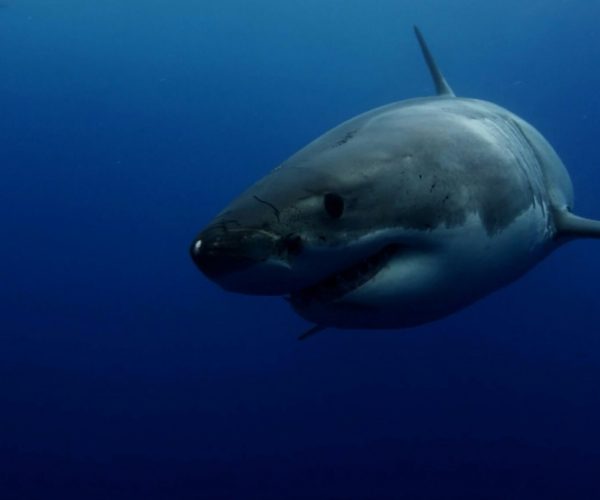
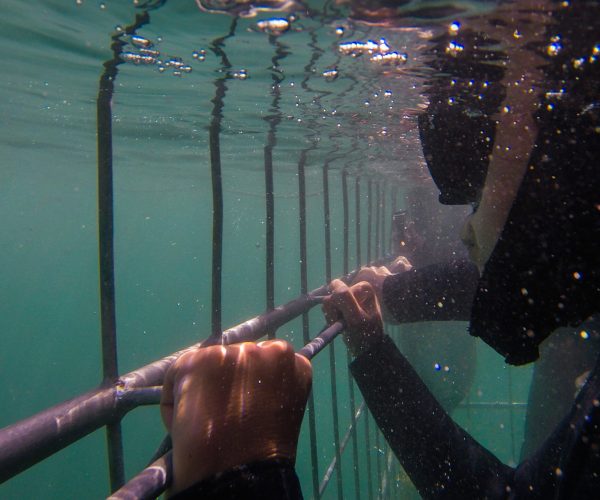
Where have all the great white sharks gone?
It is an understandable question, but the answer is far more complex than many headlines suggest.
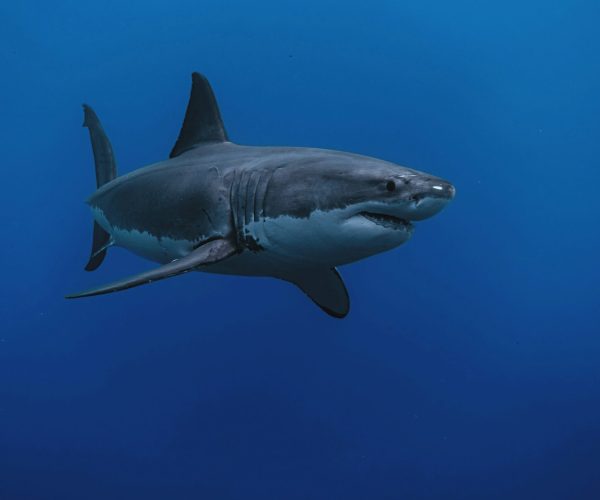
Great white sharks have not disappeared completely from Cape Town. Instead, sightings have become significantly less frequent over the past decade. Marine scientists continue to study the reasons behind this change, and while no single explanation tells the whole story, several important factors are believed to be influencing the local population.
Understanding these changes provides valuable insight into how dynamic marine ecosystems really are. It also highlights why protecting sharks and their habitats has become more important than ever.
Whether you are researching great white shark diving Cape Town or simply want to understand the changing marine environment around the Cape Peninsula, this guide explains what researchers know so far and why Cape Town remains one of the world’s most fascinating shark destinations.
Cape Town’s Long History with Great White Sharks
For many years, False Bay was synonymous with great white sharks.
The bay offered an ideal combination of cool, nutrient-rich water, healthy fish populations and one of the largest Cape fur seal colonies in South Africa. These conditions created an environment where great white sharks could hunt naturally while supporting decades of scientific observation.
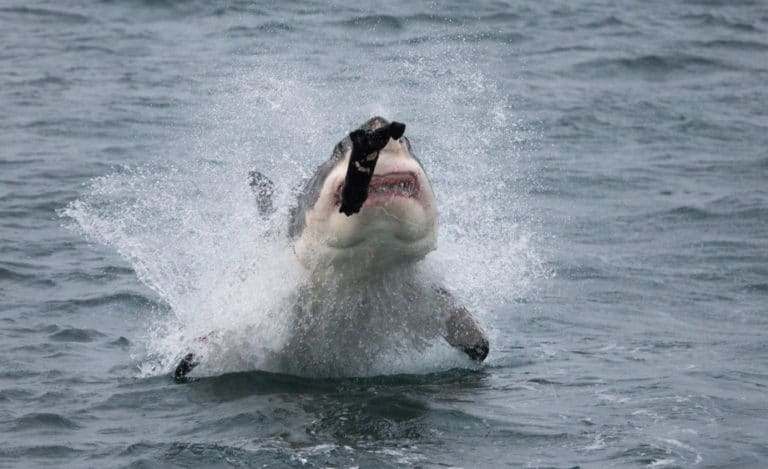
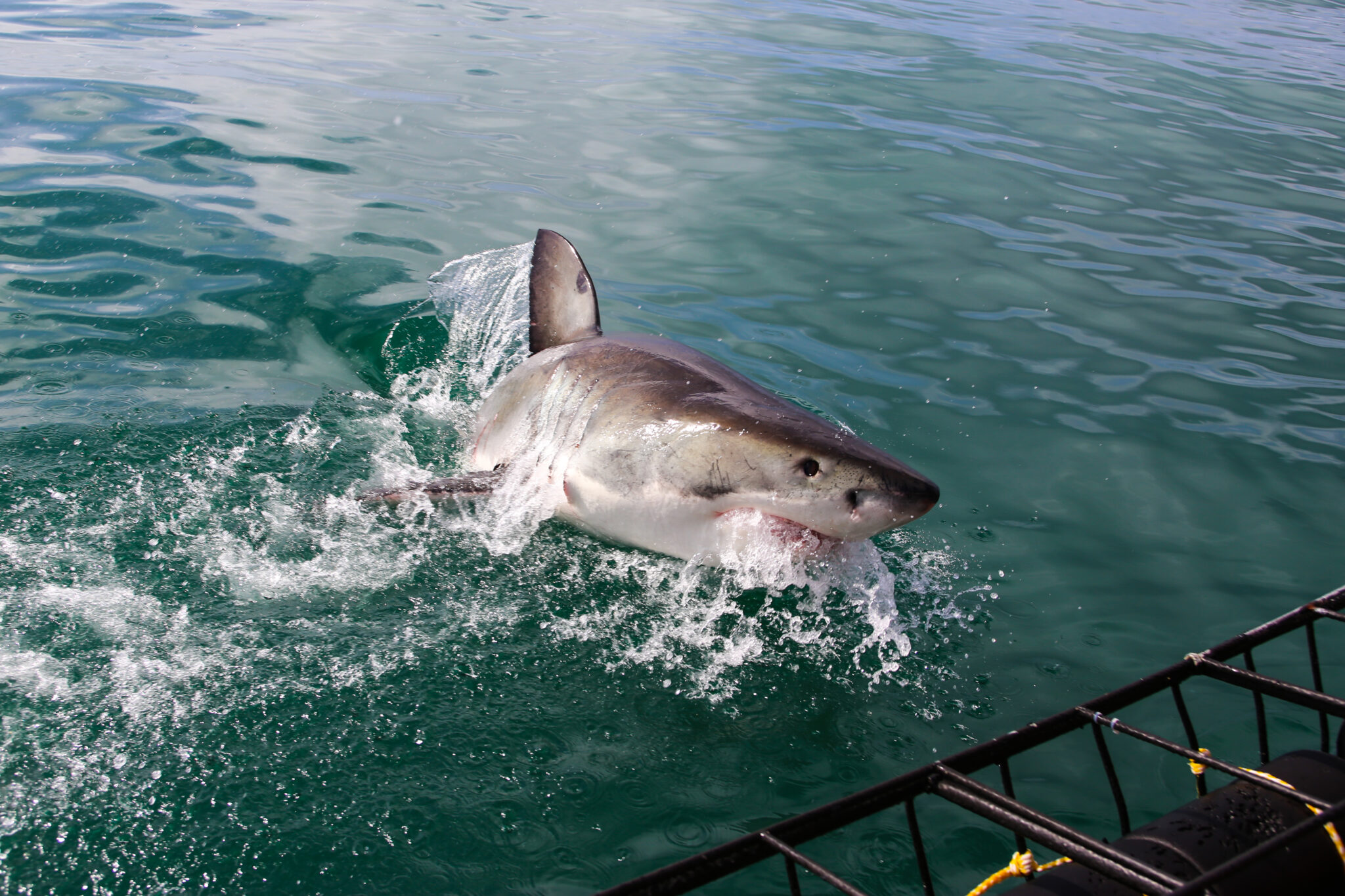
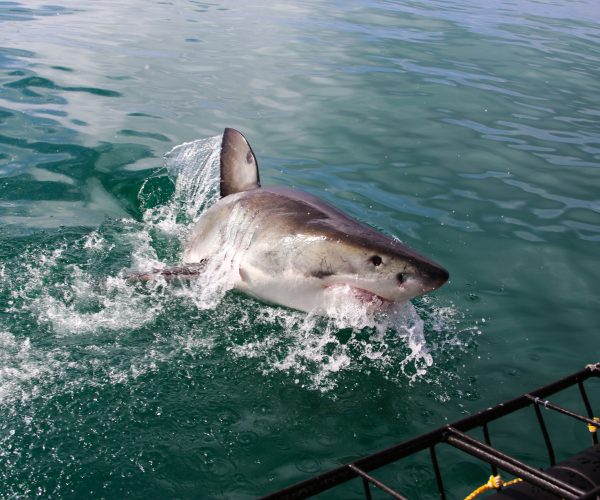
Seal Island became particularly well known for dramatic breaching events, where great white sharks launched themselves from the water while hunting seals.
These remarkable natural behaviours were featured in documentaries watched by millions of people worldwide and helped establish Cape Town as one of the leading destinations for shark research and wildlife tourism.
Researchers spent years collecting valuable information about shark behaviour, migration, feeding patterns and population dynamics. Few places in the world have contributed more to our understanding of great white sharks than False Bay.
A Noticeable Decline in Sightings
Around the middle of the last decade, experienced researchers and shark diving operators began noticing changes.
Great white shark encounters became less frequent.
At first, these changes appeared temporary. Seasonal variations in shark numbers are normal, and researchers have long understood that shark populations naturally fluctuate.
However, over time the decline became more consistent.
Today, while great white sharks are still occasionally recorded in Cape Town waters, they are no longer encountered with the same regularity that made False Bay internationally famous.
This change has been observed not only by scientists but also by experienced crews who spend hundreds of days at sea each year.
The important point is that fewer sightings do not necessarily mean great white sharks have disappeared altogether. Rather, it indicates that their distribution and behaviour have changed.
There Is No Single Cause
One of the biggest misconceptions surrounding great white sharks is that one event or one environmental change explains everything.
Marine ecosystems rarely work that way.
Instead, scientists believe several interacting factors are likely influencing great white shark numbers around Cape Town.
These include:
- Changes in prey availability
- Environmental conditions
- Human impacts
- Natural population movement
Because sharks are highly mobile animals capable of travelling thousands of kilometres, changes observed in one location may reflect broader regional movements rather than permanent declines.
Ongoing research continues to improve our understanding of these complex relationships.
The Influence of Orcas
One of the most widely reported developments has been the appearance of orcas hunting sharks along parts of the South African coastline.
Several documented events have shown specialised orcas preying on large sharks, including great white sharks.
Research suggests these encounters may influence shark behaviour beyond the individual animals involved.
Like many predators, sharks respond to perceived threats by avoiding certain areas.
Following confirmed orca activity, researchers have observed periods during which great white shark sightings declined significantly in affected regions.
While this has attracted considerable media attention, scientists caution against viewing orcas as the sole explanation.
The marine environment is influenced by many overlapping ecological processes, and understanding the full picture requires long-term monitoring.
Environmental Change Also Matters
The ocean is constantly changing.
Water temperature, currents, prey distribution and climate patterns all influence where sharks spend their time.
Small environmental changes can affect entire food webs.
If prey species move into different areas, predators often follow.
Changes in seal behaviour, fish populations and ocean productivity may all influence where great white sharks choose to hunt.
Because sharks rely on healthy ecosystems rather than fixed locations, their movements naturally reflect changes occurring throughout the marine environment.
This is one reason why long-term scientific research remains so important.
Cape Town Still Supports an Incredible Shark Ecosystem
Although great white shark sightings have declined, Cape Town remains one of the world’s richest shark environments.
Visitors taking part in great white shark diving Cape Town experiences today often encounter other remarkable shark species that continue to thrive in False Bay.
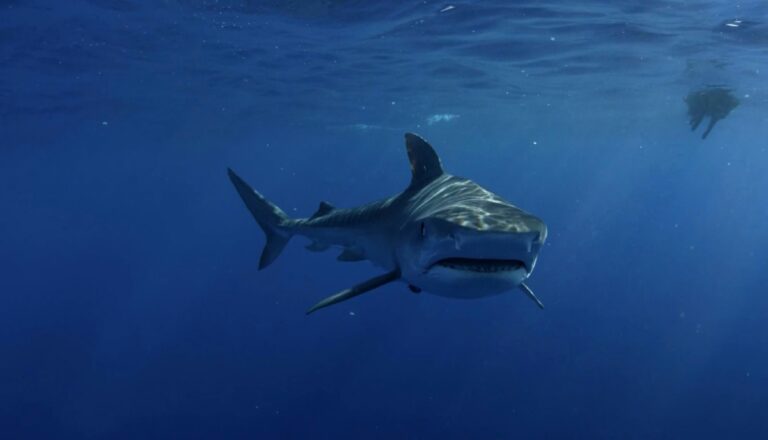
Bronze whaler sharks have become among the most commonly observed large sharks in the region.
Other species, including sevengill cow sharks, blue sharks and shortfin makos, also contribute to the area’s extraordinary marine biodiversity.
Every species plays an important role within the ecosystem, helping maintain balance and supporting healthy ocean environments.
For visitors, this means shark diving remains every bit as fascinating, even as the species encountered continue to evolve with the changing marine environment.
Why Great White Sharks Still Matter
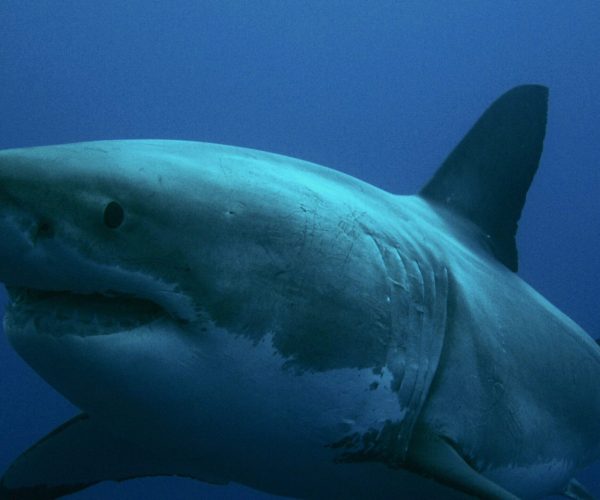
Although great white sharks are encountered less frequently than they once were, they remain one of the ocean’s most important apex predators.
Apex predators help maintain healthy marine ecosystems by influencing the abundance and behaviour of prey species. This balance supports biodiversity throughout the food web, from fish populations to smaller predators and marine mammals.
Protecting great white sharks is therefore about much more than safeguarding a single species. It is about preserving the health of the wider marine environment.
South Africa has long recognised the importance of shark conservation, and research conducted around Cape Town continues to contribute to international understanding of these remarkable animals.
How Scientists Continue to Monitor Great White Sharks
The decline in sightings has made scientific research more important than ever.
Marine scientists continue to monitor shark populations using a variety of research methods, including:
- Photo identification
- Acoustic tagging
- Satellite tracking
- Environmental monitoring
- Population surveys
- Citizen science observations
Each method provides valuable information about how sharks move through South African waters and how changing environmental conditions influence their behaviour.
Long-term research allows scientists to compare today’s observations with historical records, helping identify trends that would otherwise go unnoticed.
False Bay remains one of the best studied shark environments in the world, making Cape Town an important location for ongoing marine research.
Visitors interested in learning more about shark biology can explore our shark facts and detailed shark species guide.
Shark Diving Has Changed, Not Disappeared
Some people assume that fewer great white shark sightings mean shark diving in Cape Town is no longer worthwhile.
The reality is very different.
The marine ecosystem has evolved, and shark diving has evolved with it.
Today, many guests encounter bronze whaler sharks, one of the largest predatory shark species regularly found around Cape Town.
These inquisitive sharks often spend extended periods around the vessel, providing exceptional viewing and photography opportunities.
Depending on the season and ocean conditions, visitors may also encounter dolphins, Cape fur seals, seabirds and even whales, making every trip a unique wildlife experience.
Rather than focusing on a single species, modern great white shark diving Cape Town experiences offer a broader appreciation of South Africa’s rich marine biodiversity.
Cape Town Remains One of the World’s Leading Shark Destinations
Despite the changes in great white shark numbers, Cape Town continues to be recognised as one of the world’s premier shark diving destinations.
Several factors contribute to this reputation:
- Decades of marine research
- Highly experienced operators
- Strong safety standards
- Rich marine biodiversity
- Easy access to False Bay from Cape Town
- Opportunities to observe multiple shark species
Few destinations combine scientific importance, spectacular scenery and marine wildlife in the way Cape Town does.
This is one reason why visitors continue to travel from around the world to experience Apex Shark Expeditions.
Cape Town and Gansbaai Offer Different Experiences
Visitors often compare Cape Town with Gansbaai when planning a shark diving holiday.
Although both destinations have long histories of shark tourism, they offer different marine environments.
Cape Town provides:
- Shark diving from False Bay within the city
- Half-day trip options
- Rich marine biodiversity
- Extensive scientific history
Gansbaai, located in the Overberg, offers:
- Different ocean conditions
- A long-established shark diving industry
Neither destination is better than the other. They simply provide different experiences depending on seasonal conditions and wildlife movements.
Visitors interested in comparing locations can learn more about shark cage diving Gansbaai.
What This Means for Visitors
If you are planning your first shark diving trip, it is important to arrive with realistic expectations.
The ocean is a natural environment.
No responsible operator can promise sightings of a specific shark species because wildlife behaves according to nature rather than schedules.
What professional operators can provide is:
- Safe operations
- Experienced crews
- Responsible wildlife interactions
- Educational experiences
- The best possible opportunity to observe sharks in the wild
Many visitors discover that seeing any large shark in its natural habitat is an unforgettable experience.
For others, learning about the changing marine ecosystem becomes just as rewarding as the wildlife encounter itself.
Frequently Asked Questions
Have great white sharks disappeared from Cape Town?
No.
Great white sharks still occur in Cape Town waters, but sightings have become significantly less common than they were during previous decades.
Why are there fewer great white sharks?
Scientists believe several factors are contributing, including changing environmental conditions, prey movements, competition from orcas and broader ecosystem changes.
Research into these factors continues.
Can I still go shark diving in Cape Town?
Absolutely.
Cape Town remains one of the world’s leading shark diving destinations and offers opportunities to encounter several fascinating shark species in their natural environment.
Will I definitely see a shark?
No wildlife encounter can ever be guaranteed.
Professional operators use their experience and knowledge of local conditions to maximise the chances of successful sightings while respecting the natural behaviour of marine animals.
The Future of Great White Sharks
Understanding why great white sharks are less common in Cape Town is an ongoing scientific challenge.
As research continues, scientists will gain a clearer understanding of how environmental change, predator interactions and human activities influence shark populations.
The important message is that marine ecosystems are constantly evolving.
Responsible tourism, continued research and conservation all play a role in ensuring sharks remain part of South Africa’s oceans for generations to come.
Visitors who experience sharks responsibly often leave with a greater appreciation for these misunderstood animals and a stronger commitment to marine conservation.
Final Thoughts
Great white sharks helped establish Cape Town as one of the world’s most famous shark destinations, but the story of the region’s marine ecosystem continues to evolve.
While sightings are no longer as common as they once were, Cape Town remains home to an extraordinary diversity of shark species and continues to contribute valuable scientific knowledge about these remarkable predators.
A modern great white shark diving Cape Town experience is about more than searching for one species. It is about understanding the ocean as a living ecosystem where wildlife changes naturally over time.
Whether you are hoping to observe bronze whaler sharks, learn about marine conservation or experience the excitement of shark diving in Cape Town, every trip offers an opportunity to connect with one of the world’s most fascinating marine environments.
At Apex Shark Expeditions, every expedition combines decades of local experience with a commitment to education, conservation and responsible wildlife tourism. To learn more about our approach, visit Why choose Apex Shark Expeditions or browse our latest shark cage diving articles before planning your next adventure.