





Shark Cage Diving in Cape Town: A Science-Based Guide from a 30-Year Operator
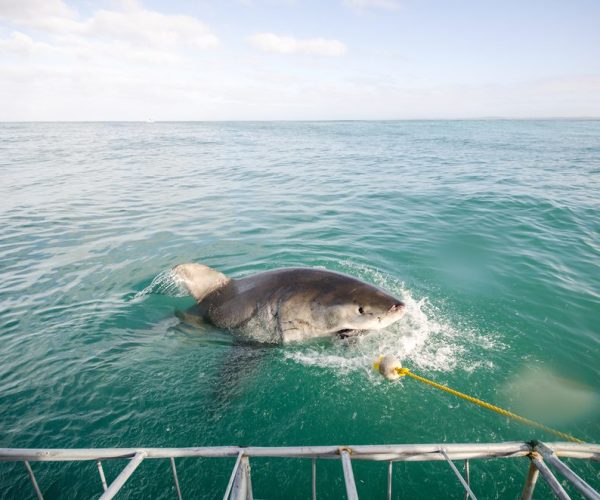
Shark cage diving in Cape Town is not just a tourism activity. It is a structured, research-driven experience built on decades of observation and scientific understanding.
This guide explains how shark cage diving works, what influences shark behaviour, and how long-term research has shaped the modern experience.
The Foundation of Shark Cage Diving in Cape Town
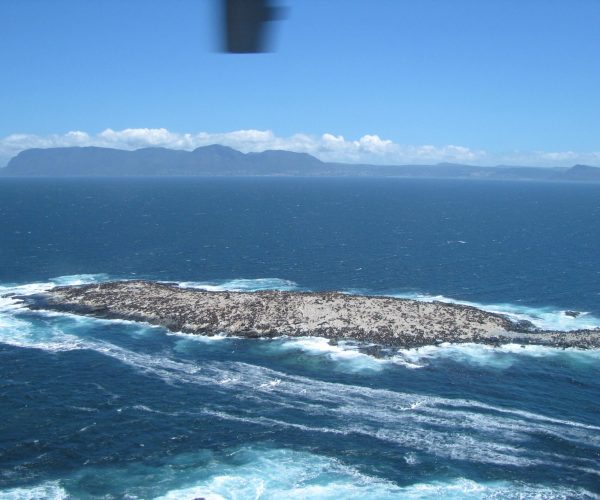
Cape Town has played a major role in global shark research, particularly in False Bay.
Over the past 30 years, operators have refined shark cage diving into a controlled and repeatable process.
If you are planning a trip, explore the shark cage diving Cape Town experience.
You can also read more through the shark cage diving articles.
How Shark Cage Diving Works
The process is designed to be simple and safe.
- The cage is attached to the boat
- It remains near the surface
- Guests enter in small groups
- Sharks pass naturally through the area
No scuba certification is required, making it accessible to most visitors.
The Science Behind Shark Behaviour
Sharks do not behave randomly. Their movement is influenced by environmental factors such as:
- Water temperature
- Visibility
- Seasonal migration
- Food availability
- Ocean conditions
Operators with long-term experience track these variables to improve trip outcomes.
To learn more, visit the shark facts page and the shark species guide.
Changes in Shark Activity
Over time, shark activity in Cape Town has evolved.
Great white sharks were once the dominant species in False Bay. Today, sightings can vary due to environmental changes.
Other species, such as bronze whaler sharks, are now commonly seen.
Understanding these changes is key to setting realistic expectations.
The Role of Research in Shark Diving
Research is a core part of shark cage diving operations.
Data collected during trips contributes to:
- Behaviour studies
- Population tracking
- Conservation strategies
This makes shark diving both an experience and a source of valuable scientific insight.
You can learn more about this approach on the Apex Shark Expeditions homepage.
Safety as a Scientific System
Safety is not based on assumption. It is built on tested systems.
This includes:
- Engineered cage design
- Controlled interaction methods
- Trained crew
- Clear operational procedures
To understand these standards, visit why choose Apex Shark Expeditions.
Trip Structure and Consistency
A well-managed shark diving trip follows a clear process:
- Arrival and briefing
- Equipment setup
- Cage rotations
- Supervision
- Return to harbour
Consistency is what separates experienced operators from less structured providers.
Equipment and Operational Standards
The quality of equipment plays a major role in the experience.
High-quality operators invest in:
- Strong cage design
- Reliable vessels
- Maintained wetsuits and gear
- Safe boarding and exit systems
These elements ensure both safety and comfort.
Comparing Cape Town to Other Locations
Cape Town offers:
- Easy access from the city
- Half-day trip options
- Strong research foundation
If you are comparing locations, you can explore the Gansbaai shark cage diving experience.
Education and Conservation
Shark cage diving is also an educational experience.
Guests learn about:
- Shark behaviour
- Marine ecosystems
- Conservation challenges
- Species identification
This creates a deeper understanding of the ocean environment.
Final Thoughts
Shark cage diving in Cape Town is one of the most structured and research-driven wildlife experiences available.
By choosing an experienced operator and understanding the science behind the activity, you can gain more than just a visual encounter.
You gain insight into one of the ocean’s most important species.
If you are planning your trip, the shark cage diving Cape Town experience offers a reliable and well-managed way to observe sharks in the wild.
Book your shark cage diving Cape Town tour today.