Is Shark Cage Diving Ethical? A Marine Biologist’s Perspective
Shark cage diving remains one of the most debated wildlife tourism activities in the world. Supporters argue that it helps educate the public, supports conservation efforts, and creates economic value that encourages the protection of marine ecosystems. Critics sometimes question whether the activity changes shark behaviour or negatively affects the animals involved.
For travellers considering a shark diving experience, the question often comes down to one thing: is shark cage diving ethical?
The answer is more complex than a simple yes or no. Like many wildlife activities, the ethics depend on how the experience is managed, the standards followed by operators, and the overall impact on both the animals and the environment.
From a marine biology perspective, responsible shark cage diving can play an important role in education, conservation, and public awareness. However, maintaining high standards is essential.
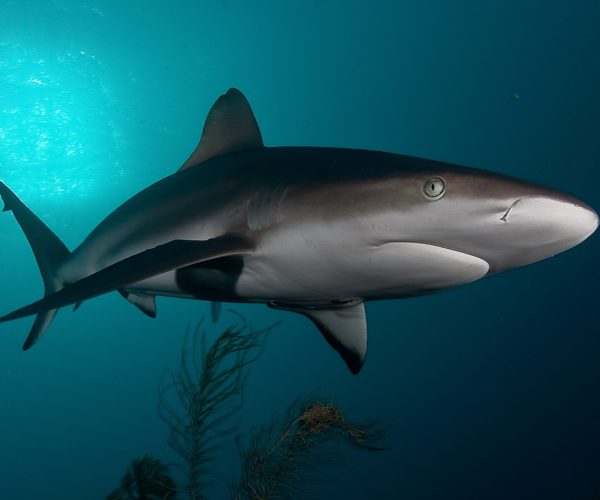
Understanding Wildlife Tourism Ethics
Wildlife tourism exists on a spectrum. At one end are activities that exploit animals for entertainment. At the other are experiences that support education, conservation, and responsible observation.
Ethical wildlife tourism generally follows several key principles:
- Minimise stress on animals
- Avoid altering natural behaviour unnecessarily
- Promote conservation awareness
- Support local ecosystems
- Educate visitors
- Operate within scientific and regulatory guidelines
When assessing shark cage diving, these principles provide a useful framework.
Why Sharks Matter
Before discussing shark cage diving, it is important to understand the ecological role of sharks.
Sharks are apex predators that help maintain balance within marine ecosystems. They influence prey populations, support biodiversity, and contribute to healthy ocean environments.
Many shark species face challenges including:
- Overfishing
- Bycatch
- Habitat degradation
- Climate change
- Public misunderstanding
Despite their importance, sharks are often viewed negatively due to media portrayals.
One of the most valuable aspects of responsible shark diving is its ability to replace fear with understanding.
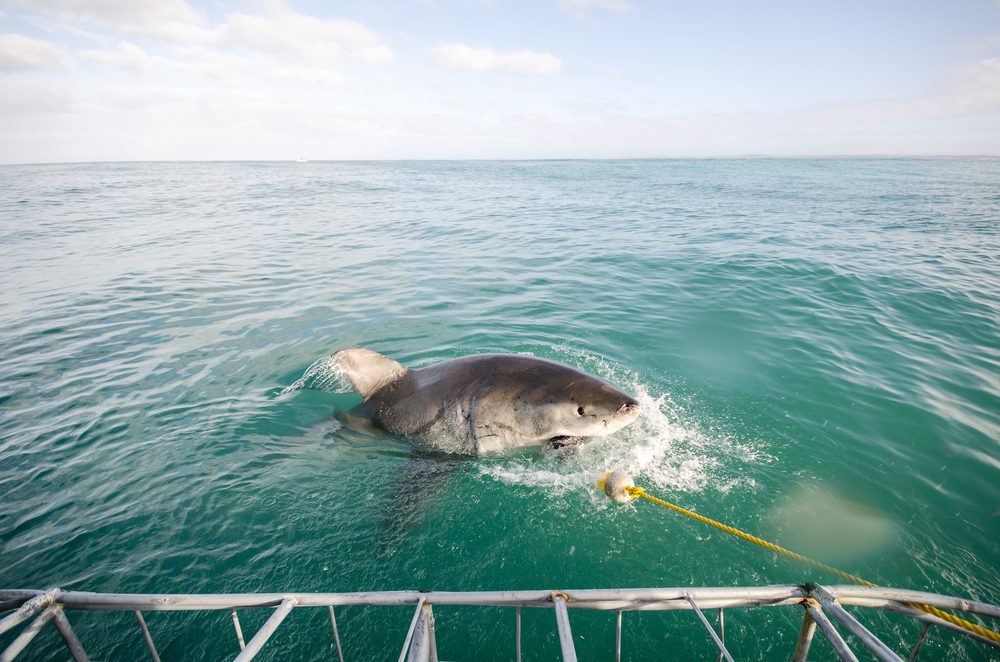
Visitors who participate in shark cage diving Cape Town often leave with a greater appreciation for sharks and the role they play in the ocean.
The Historical Debate Around Shark Cage Diving
Concerns about shark cage diving generally focus on three questions:
- Does it alter shark behaviour?
- Does it make sharks associate humans with food?
- Does it negatively impact marine ecosystems?
These are valid questions and have been studied by researchers for many years.
The reality is that responsible shark diving operations operate under strict regulations and guidelines designed to minimise potential impacts.
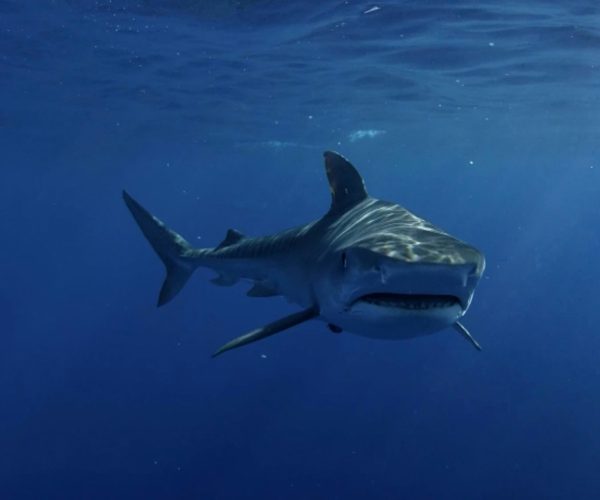
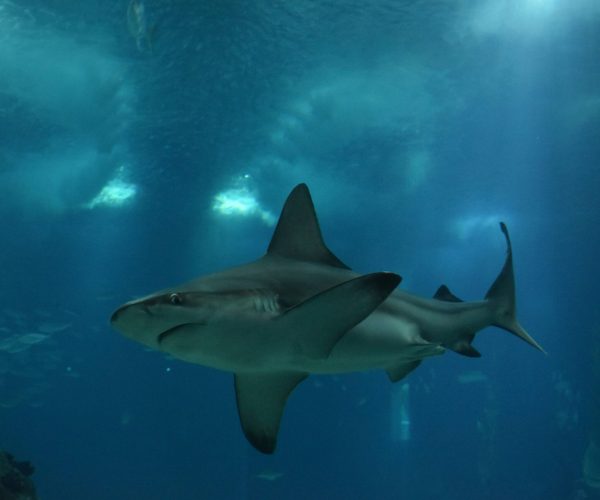
Research has shown that while sharks may investigate vessels, there is limited evidence that properly managed shark diving creates long-term behavioural changes that threaten human safety.
The Importance of Regulation
Ethics depend heavily on regulation.
South Africa has developed one of the most established shark diving industries in the world. Operators are required to follow regulations covering:
- Vessel operations
- Permit requirements
- Wildlife interaction
- Safety standards
- Environmental compliance
These rules help ensure that shark diving remains controlled and sustainable.
Visitors can learn more about professional operating standards through why choose Apex Shark Expeditions.
False Bay and Long-Term Research
False Bay, located within Cape Town, has been one of the most studied shark environments globally.
Researchers, conservationists, and operators have spent decades observing shark behaviour in the area.
This long-term observation provides valuable insight into:
- Migration patterns
- Feeding behaviour
- Seasonal movements
- Population changes
- Ecosystem shifts
The close relationship between research and tourism has helped create a deeper understanding of sharks than would otherwise be possible.
Visitors interested in learning more can explore the shark facts page and the shark species guide.
Education Creates Conservation
One of the strongest ethical arguments in favour of shark cage diving is education.
Most people will never encounter a shark in the wild.
As a result, their understanding often comes from movies, social media, or news headlines.
Seeing a shark in its natural environment changes that perspective.
Guests learn:
- How sharks behave
- Why sharks are important
- How marine ecosystems function
- What threats sharks face
- Why conservation matters
Research consistently shows that personal wildlife experiences can increase support for conservation initiatives.
The Role of Tourism Revenue
Conservation requires funding.
Marine research, education programmes, habitat protection, and conservation initiatives all require resources.
Responsible wildlife tourism can help provide that support.
Shark diving contributes to:
- Employment
- Local tourism economies
- Marine education
- Conservation awareness
- Scientific observation
Without economic value, many marine ecosystems receive less public attention and fewer resources.
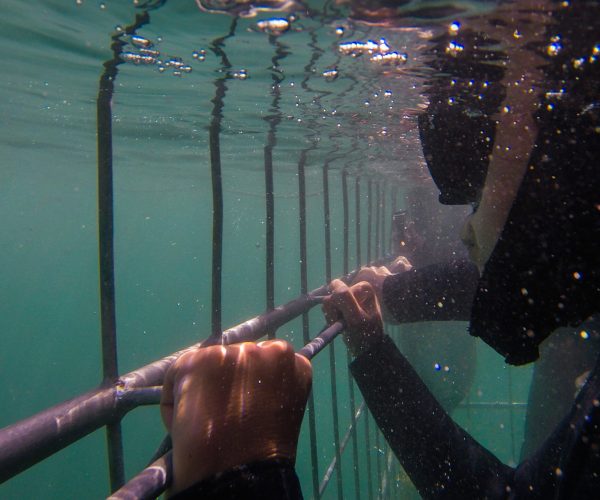
Do Sharks Become Dependent on Boats?
This is one of the most common concerns.
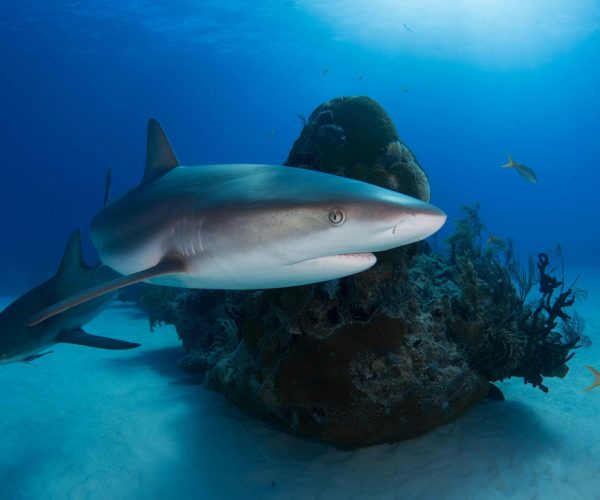
Current evidence suggests that sharks do not become dependent on shark diving operations.
Sharks remain highly mobile animals that travel large distances and rely on natural food sources.
Professional operators focus on attracting attention rather than feeding sharks in a way that creates dependency.
This distinction is important.
Responsible operators follow established procedures that prioritise wildlife welfare while maintaining guest experiences.
Cape Town vs Other Global Destinations
Cape Town is often compared to shark diving destinations in Australia, Mexico, and the United States.
What makes Cape Town unique is its combination of:
- Long-term research
- Strong regulation
- Established operators
- Scientific interest
- Public education
The city-based access also makes shark diving more accessible to visitors.
A typical shark cage diving Cape Town trip can be completed within a half day, allowing guests to combine the experience with other attractions.
Ethical Differences Between Operators
Not all wildlife tourism is equal.
When choosing an operator, consider:
- Experience
- Safety standards
- Conservation involvement
- Educational focus
- Regulatory compliance
A well-managed operation places wildlife welfare ahead of entertainment.
This is one reason why operator selection matters more than many travellers realise.
The Future of Ethical Shark Diving
The future of shark diving will likely involve:
- Increased research collaboration
- Improved sustainability practices
- Greater transparency
- More educational content
- Enhanced conservation partnerships
As public expectations evolve, operators who prioritise responsible tourism will continue to set the standard.
The Marine Biologist’s Perspective
From a marine biology standpoint, ethical shark cage diving should be evaluated based on measurable outcomes rather than assumptions.
Questions to consider include:
- Does the activity support education?
- Does it promote conservation?
- Does it minimise harm?
- Does it operate responsibly?
When managed properly, the answer to these questions is generally yes.
Like any wildlife activity, standards matter.
The goal should always be to observe wildlife responsibly while increasing public understanding of the natural world.
Final Thoughts
The ethics of shark cage diving depend on how the experience is conducted.
Responsible operators can provide valuable education, support conservation awareness, and help people develop a greater appreciation for sharks.
For many visitors, shark cage diving Cape Town becomes more than an adventure activity. It becomes an opportunity to better understand one of the ocean’s most important predators.
When viewed through the lens of education, conservation, and responsible wildlife tourism, shark cage diving can play a positive role in protecting sharks and the ecosystems they help sustain.
For those interested in comparing locations, the shark cage diving Gansbaai experience in the Overberg provides another perspective on South Africa’s shark tourism industry.
Book your shark cage diving Cape Town tour today.