
10 Facts About Bronze Whaler Sharks You Didn’t Know
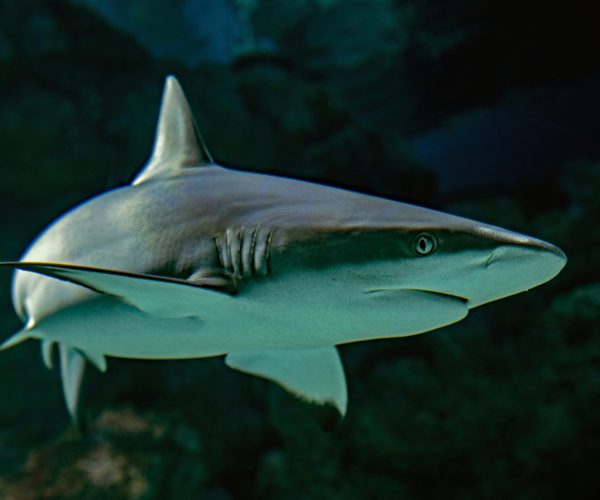
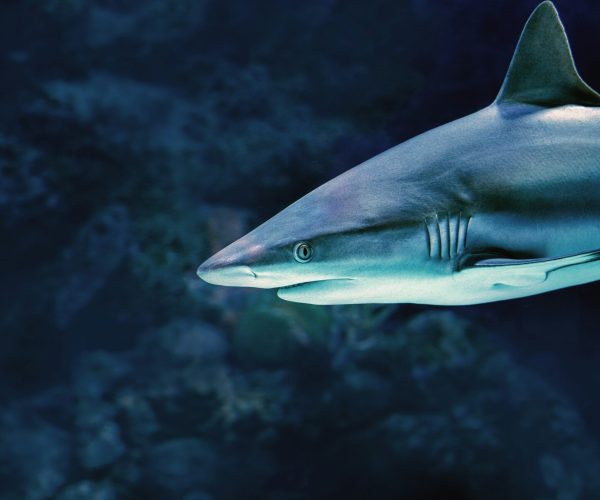
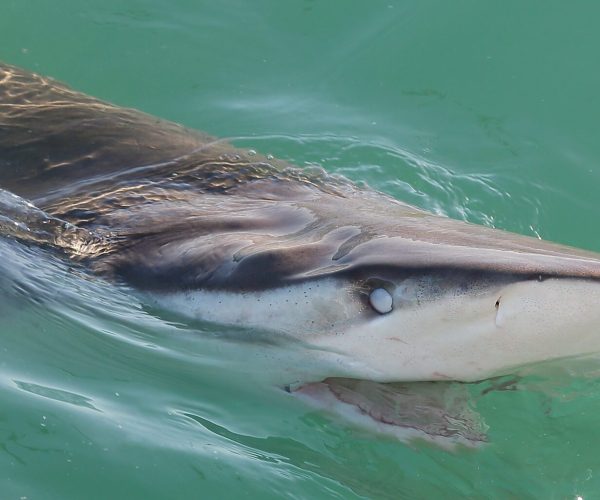
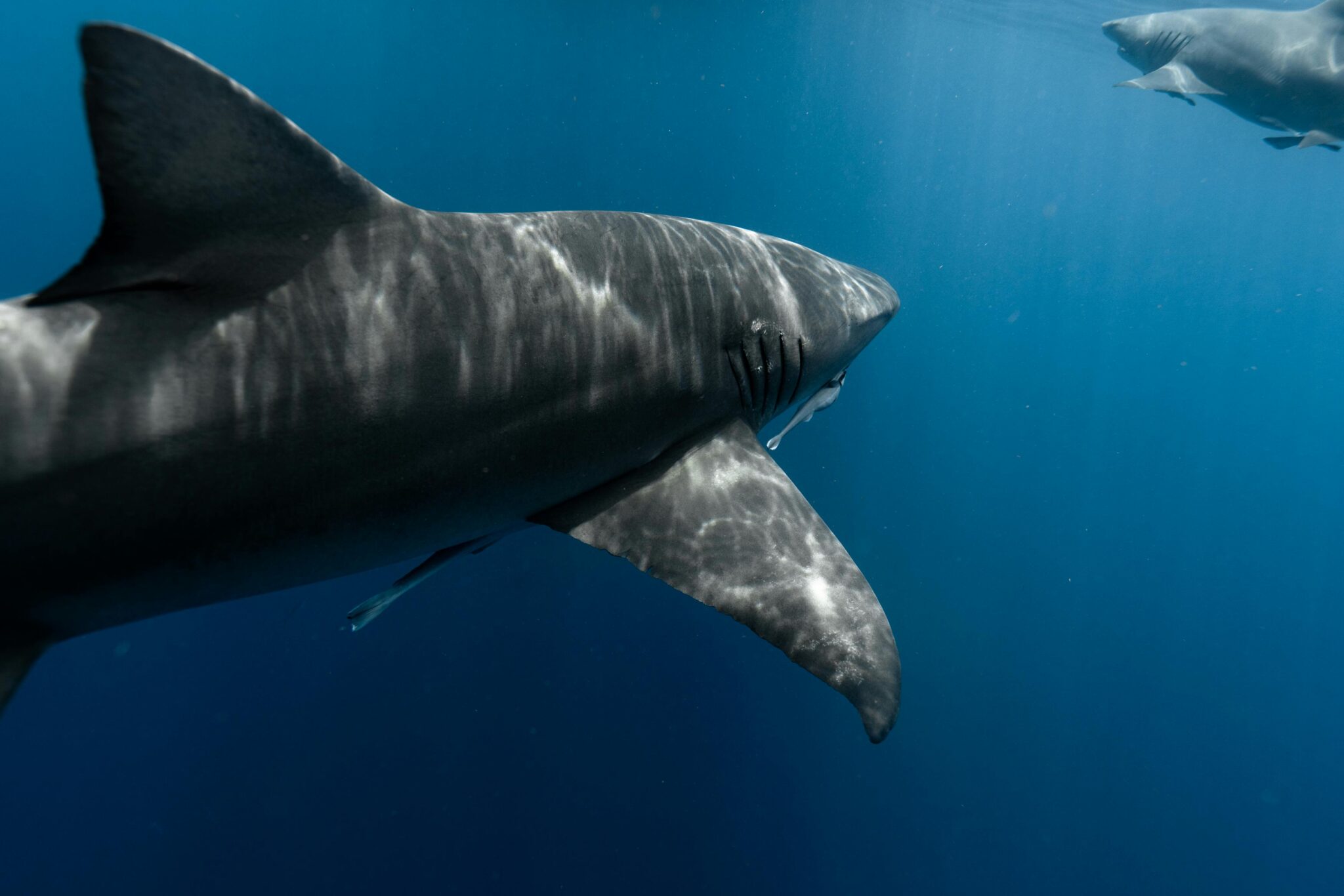
The Bronze Whaler Shark, also known as the Copper Shark (Carcharhinus brachyurus), is one of southern Africa’s most iconic yet misunderstood large coastal predators.
Here are ten fascinating, research-based facts about these sharks in South African waters. Book your Cape Town Shark Tour today.
1. Bronze Whalers Prefer Temperate Waters
Unlike many requiem sharks that thrive in tropical seas, bronze whalers favour warm-temperate to subtropical waters. In southern Africa, they range from the Eastern Cape and KwaZulu-Natal northwards to Namibia and Angola, but are rare along the west coast between Cape Point and Walvis Bay.
Their temperature preference distinguishes them from many other coastal sharks (SAAMBR, 2023; ORI Tagging, 2023).
2. Large, Long-Lived, and Slow Growing
Adults can reach up to 3 m in length and weigh as much as 305 kg. Growth is extremely slow, with a 36-year tag-recapture study showing some of the slowest annual growth rates among carcharhinid sharks in southern Africa (MarineBio, 2023; CSIRO, 2021). This slow growth makes them particularly vulnerable to fishing pressures and environmental change.
3. Late Maturity & Low Reproductive Turnover
Males reach sexual maturity at 13–17 years (200–235 cm), and females at 16–20 years (<245 cm).
Bronze whalers are viviparous, nourishing embryos via a yolk-sac placenta, typically giving birth to 13–24 pups per litter on a biennial or longer cycle (Save Our Seas Foundation, 2022; IUCN SSC Shark Specialist Group, 2003).
This late maturity and low reproductive rate severely limit population recovery after overexploitation.
4. South Africa’s South Coast Is a Key Nursery Ground
Long-term tagging data indicate that the South Coast of South Africa serves as a critical nursery, with over 93% of juveniles tagged in the region between South Africa, Namibia, and Angola (CSIRO, 2021). Protecting these coastal areas is essential for species survival.
5. They Migrate — Following the Sardine Run
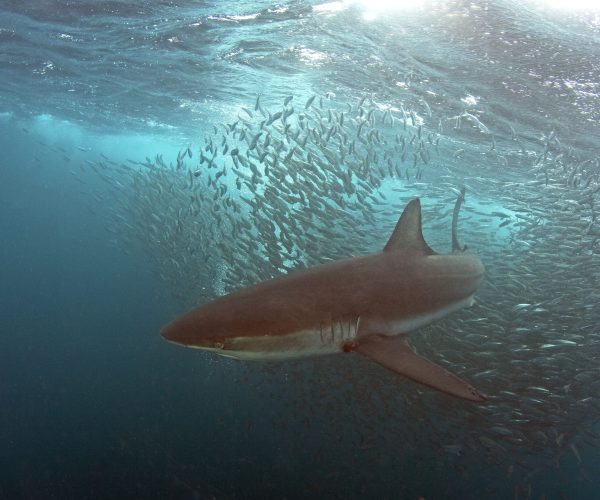
Bronze whalers show seasonal coastal migrations. Acoustic tracking reveals that adults and subadults move between the south coast in austral summer and subtropical east-coast waters in winter, following prey such as sardines (Sardinops sagax).
Some individuals travel more than 1,260 km at speeds up to ~58 km/day (OpenUCT, 2022; Save Our Seas Foundation, 2022).
6. Opportunistic Predators
Juveniles feed primarily on small schooling fish and cephalopods, while adults prey on benthic fish, squid, rays, and even smaller sharks (MarineBio, 2023; Save Our Seas Foundation, 2022). This dietary flexibility allows them to exploit seasonal prey aggregations or benthic resources when fish schools are scarce.
Some individuals travel more than 1,260 km at speeds up to ~58 km/day (OpenUCT, 2022; Save Our Seas Foundation, 2022).
7. Coastal & Shelf Habitat, often <100 m Depth
Bronze whalers inhabit a range of habitats, from surf zones and estuaries to continental shelf waters down to at least 100 m. Juveniles tend to remain in shallow coastal areas, while adults occupy broader offshore shelf zones (SAAMBR, 2023; ORI Tagging, 2023).
8. Genetic Diversity — High Gene Flow but Local Adaptation
Genomic studies reveal moderate, evenly distributed neutral genetic diversity along the South African coast, suggesting high gene flow.
Yet, hundreds of candidate loci indicate adaptive divergence to environmental factors such as temperature and salinity, meaning local populations are evolving region-specific traits (PubMed, 2023).
9. Human Consumption — Toxin Bioaccumulation
Bronze whalers are harvested commercially in South Africa, with annual landings of 100–300 filleted tons. A 2022 study found mercury and arsenic concentrations in muscle tissue exceeding safe reference doses, highlighting potential health risks from frequent consumption due to their high trophic status and bioaccumulation tendencies (PubMed, 2022).
10. Conservation Status: Vulnerable to Overexploitation
Globally “Near Threatened” (IUCN), bronze whalers’ slow growth and late maturity make them highly susceptible to overfishing. In southern Africa, coastal fisheries, bycatch, recreational fishing, and habitat degradation contribute to population declines. Tagging studies indicate that up to 27% of tagged sharks were caught and removed from fisheries, demonstrating substantial fishing pressure (Save Our Seas Foundation, 2022).