
Types of Sharks in Cape Town

30 Years of Shark Cage Diving in Cape Town: How the Industry Has Changed

Shark cage diving in Cape Town has changed significantly over the past three decades. What began as a niche wildlife activity has developed into one of South Africa’s most recognised marine tourism experiences. Today, visitors from around the world travel to Cape Town to observe sharks in a structured environment while learning more about the ocean ecosystem.

The growth of the industry has been shaped by research, safety improvements, environmental changes, and rising global interest in wildlife travel. This article explores how shark diving in Cape Town has evolved over the last 30 years and what modern visitors can expect today.

Female Shark from a Male
Shark Cage Diving Tour Price Cape Town

The Early Years of Shark Diving in Cape Town

Thirty years ago, shark diving in Cape Town was far less developed than it is today. Operations were smaller, equipment was simpler, and public understanding of sharks was limited.

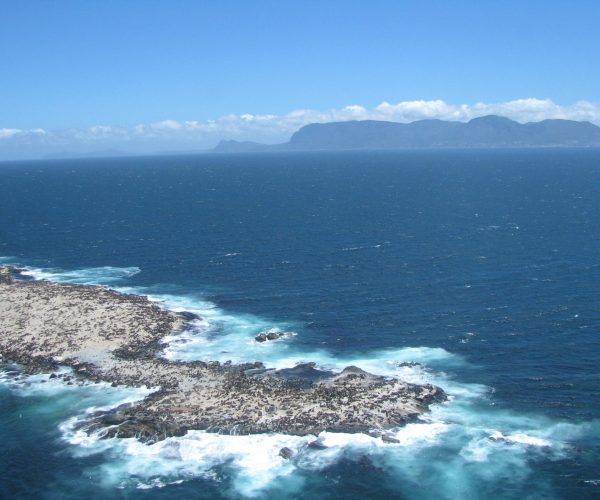
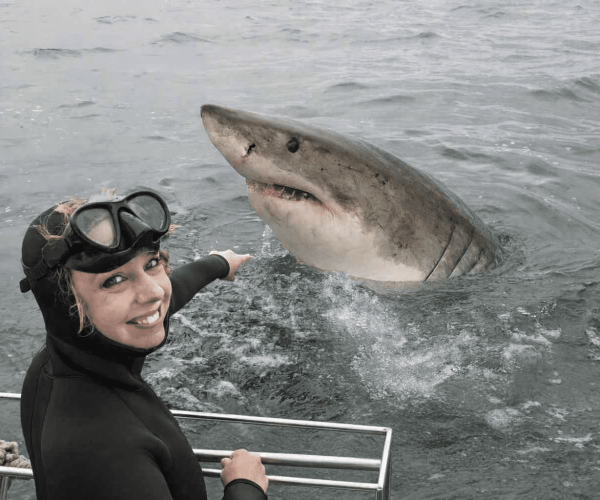
At that time, many visitors were motivated by curiosity and media coverage of great white sharks. False Bay, especially around Seal Island, became known internationally for shark activity and breaching behaviour.

As awareness grew, Cape Town became a leading destination for shark diving Cape Town experiences.

False Bay and the Rise of Cape Town Shark Diving

False Bay played a major role in the development of the industry. Located within Cape Town, it offered direct access to shark activity without requiring long travel times.

This gave Cape Town a major advantage over many global shark destinations. Visitors could stay in the city and join half-day trips departing from Simon’s Town.

You can explore a real trip format through the great white False Bay morning trip.

The accessibility of False Bay helped turn shark diving into a practical activity for tourists rather than a remote specialist experience.

Improvements in Safety Standards

One of the biggest changes over 30 years has been safety and regulation.

Early shark diving operations were less standardised. Today, licensed operators in South Africa follow strict procedures covering:

  • Cage design and maintenance
  • Crew training
  • Guest safety briefings
  • Vessel standards
  • Environmental compliance

Modern operators focus heavily on structure and communication, making the experience accessible to a much wider audience.

To understand what defines a professional operator, visit why choose Apex Shark Expeditions.

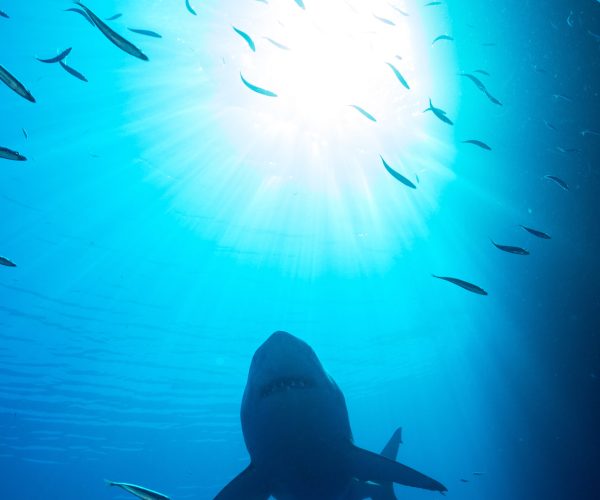
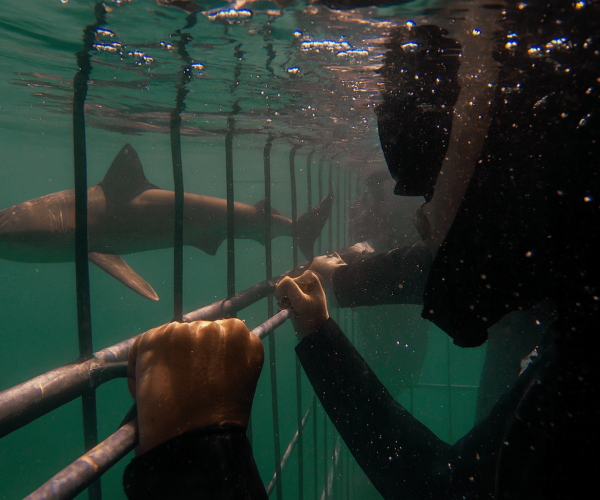
From,The,Safety,Of,A,Shark,Cage,,A,Great,White
IMG_1094

The Role of Research and Education

In the early years, many people viewed shark diving simply as an adrenaline activity. That has changed.

Today, education and marine awareness are central to the experience. Guests often learn about:

  • Shark behaviour
  • Marine ecosystems
  • Species identification
  • Conservation challenges
  • Environmental changes in False Bay

This shift has helped improve public perception of sharks and increased the long-term value of shark tourism.

For more educational resources, explore the shark facts page and shark species guide.

How Shark Species Visibility Has Changed

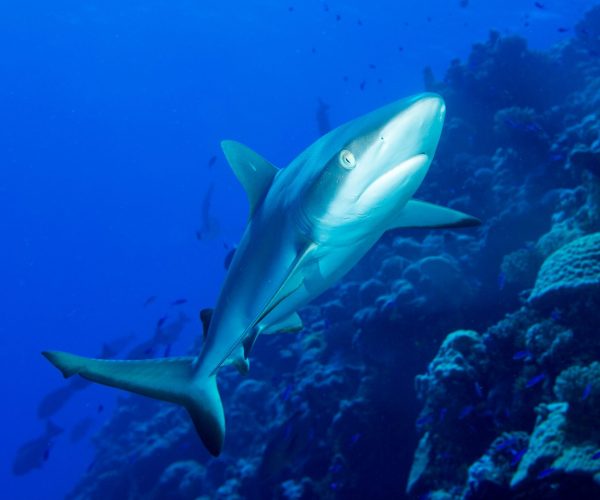
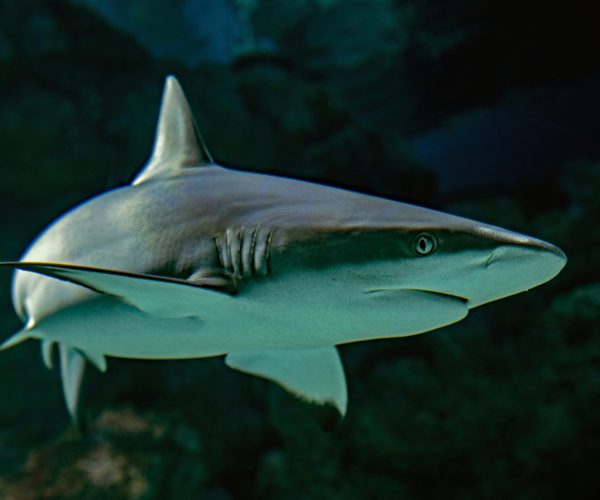
Thirty years ago, great white sharks were the primary species associated with Cape Town shark diving. Seal Island became famous for sightings and breaching behaviour.

Over time, changes in the marine ecosystem have influenced shark movement and species presence.

Today, visitors may commonly encounter:

  • Bronze whaler sharks
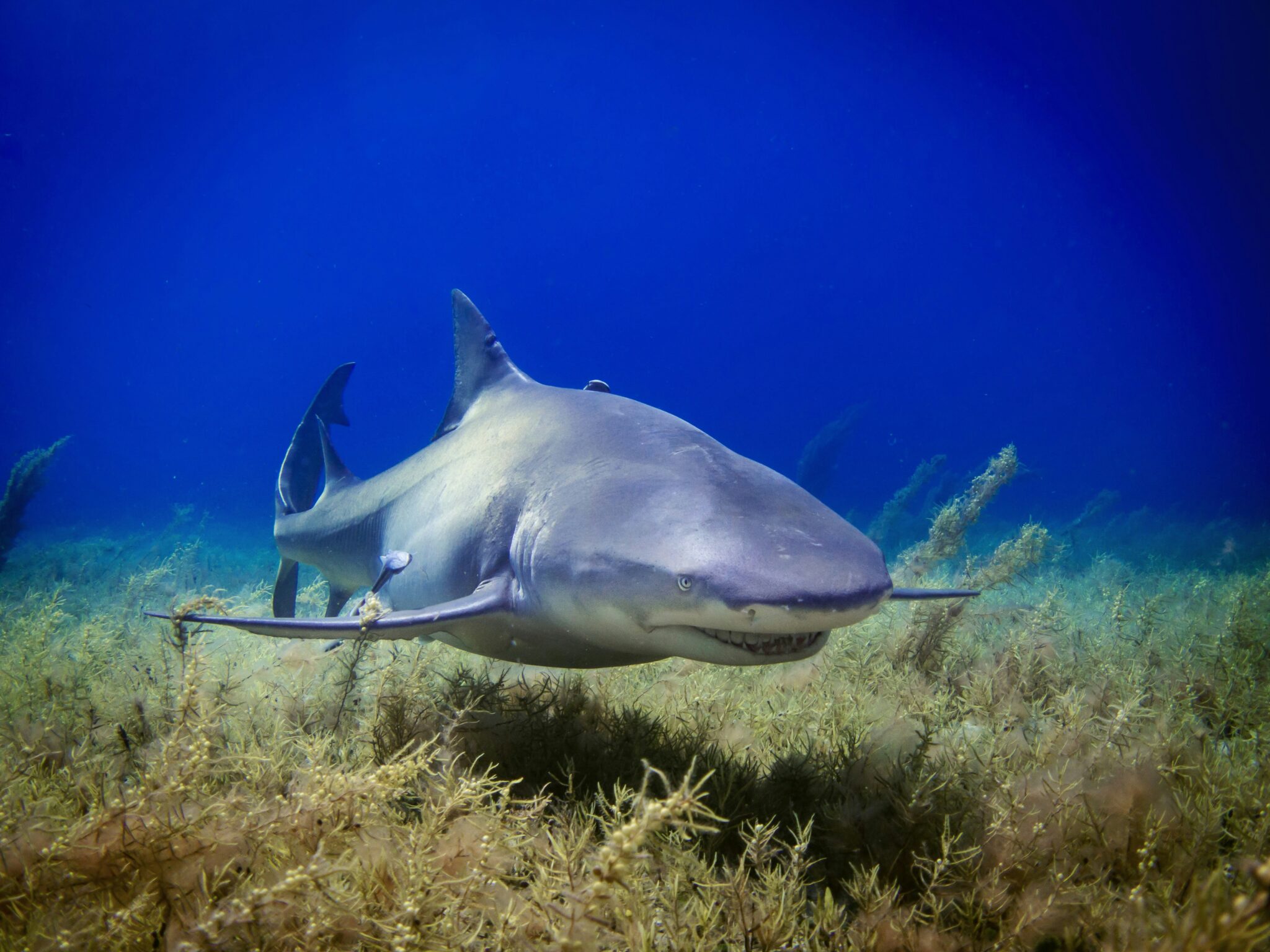
  • Sevengill sharks

This change highlights the importance of choosing an experienced operator that understands current marine conditions and communicates expectations clearly.

Better Boats, Better Equipment, Better Experience

The quality of vessels and equipment has improved significantly over time.

Modern shark diving trips now benefit from:

  • More stable vessels
  • Better safety systems
  • Improved cages
  • Better wetsuits and guest gear
  • More organised trip flow

These upgrades improve both safety and comfort, especially for first-time participants.

The Rise of Wildlife Tourisms

Over the last 30 years, travellers have increasingly prioritised experiences over traditional sightseeing. This has helped shark diving grow into a mainstream tourism activity.

Visitors now want:

  • Authentic wildlife encounters
  • Educational experiences
  • Responsible tourism
  • Memorable travel moments

Cape Town is well positioned to meet that demand because shark diving can be combined with beaches, wine regions, safaris, and city attractions.

You can browse more experiences on the Apex Shark Expeditions homepage.

Shark Cage Diving Cape Town - Apex Shark Expeditions
cage diver and bronze whaler

Social Media and Global Awareness

The rise of social media has also changed the industry.

Years ago, shark diving was discovered through travel agents or documentaries. Today, travellers often discover the experience through:

  • Instagram videos
  • YouTube travel channels
  • TikTok clips
  • Online reviews
  • Travel blogs

This has expanded awareness and brought younger audiences into the market.

Cape Town vs Gansbaai Over Time

As the industry developed, many travellers began comparing Cape Town and Gansbaai.

Cape Town offers:

  • Shark diving within the city
  • Half-day trips
  • Easier logistics

Gansbaai offers:

  • Location in the Overberg
  • Full-day trip structure
  • Different marine conditions

If you want to compare options, explore shark cage diving Gansbaai.

What Modern Visitors Can Expect

Today’s shark diving experience is far more refined than it was 30 years ago.

Guests can expect:

  • Clear pre-trip communication
  • Professional crew guidance
  • Safety briefings
  • Structured cage rotations
  • Educational commentary
  • Reliable vessels and equipment

This makes the experience suitable for solo travellers, couples, families, and groups.

Why Experience Still Matters Most

Even with industry growth, one factor remains critical: operator experience.

Long-term operators understand:

  • Seasonal shark movement
  • Ocean conditions
  • Guest management
  • Safety procedures
  • How to adapt to changing wildlife patterns

This knowledge often makes the difference between an average trip and a strong experience.

Final Thoughts

Over the last 30 years, shark cage diving in Cape Town has evolved from a niche activity into one of South Africa’s leading wildlife experiences.

The industry has improved through stronger safety systems, better equipment, greater education, and a deeper focus on conservation.

For travellers looking for a trusted and structured marine experience, shark diving Cape Town remains one of the most established options available today.

Book your shark cage diving Cape Town tour today.

Share This Post

Related Blogs

SHARK TEMPERAMENTS
Shark Facts

Cancer in Sharks

By Courtney Cooper   The Truth About Cancer in Sharks   Some of you may have heard of the book, “Sharks Don’t Get Cancer” that