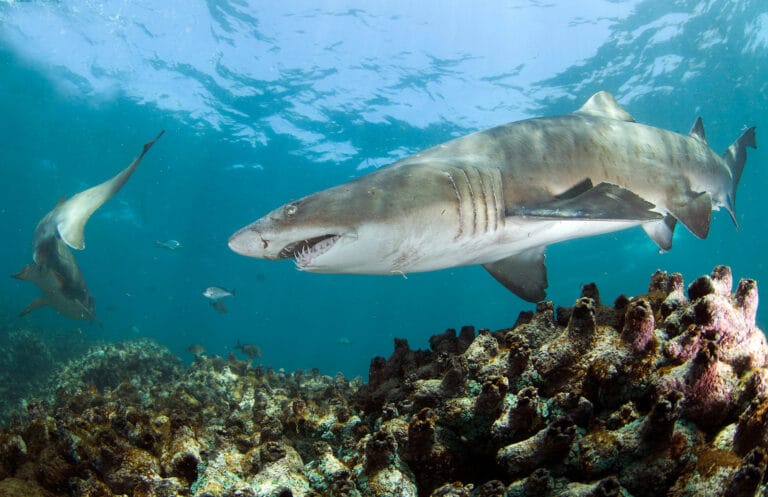
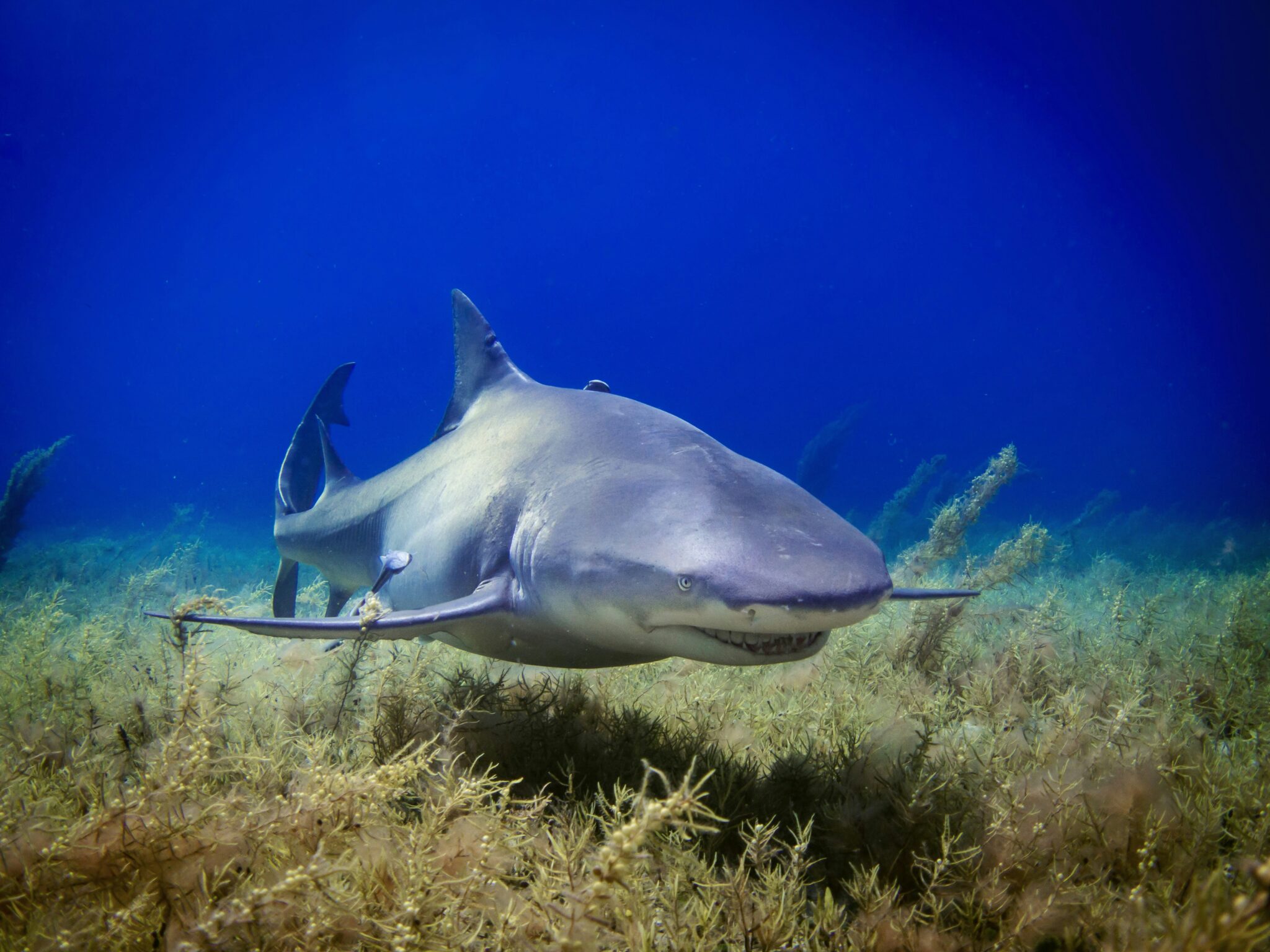
How To Overcome a Common Fear of Shark Encounters Safely
Fear of sharks, often fueled by media portrayals like “Jaws,” is common among ocean enthusiasts, yet scientifically unfounded for most encounters. Known as galeophobia, this anxiety stems from misconceptions about sharks as aggressive man-eaters, triggering symptoms like rapid heartbeat or avoidance of water activities.
However, with over 500 shark species worldwide, only a few pose risks to humans, and attacks are exceedingly rare. In 2025, the International Shark Attack File (ISAF) reported just 47 unprovoked bites globally, with no fatalities in South Africa that year. For families, dive enthusiasts, and conservation-minded tourists visiting South Africa—home to 111 shark species—this guide offers evidence-based strategies to safely overcome these fears, turning trepidation into appreciation.
Book your Cape Town Shark Tour today.
From Myth to Mindset: The Science Behind Shark Behavior
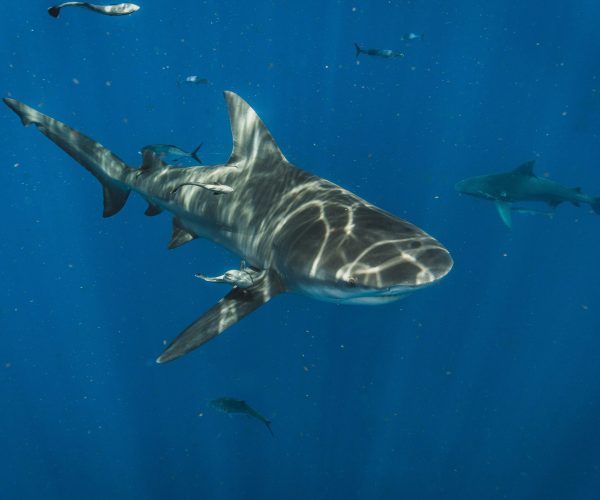
The first step is education: Sharks are not mindless killers but apex predators maintaining ocean balance by culling weak or sick prey, thus promoting healthy ecosystems. Biologically, sharks use electroreception via ampullae of Lorenzini to detect heartbeats and muscle movements, but they rarely mistake humans for seals or fish—attacks often result from curiosity or poor visibility in murky waters.
In South Africa, where 248 unprovoked attacks have occurred since 1905, most happen in shallow, sandy areas to surfers or swimmers, not divers. Statistically, you’re more likely to be struck by lightning (1 in 15,300 lifetime odds) than bitten by a shark (1 in 3.7 million).
Research shows responsible diving has no long-term impact on shark behavior, as they quickly resume natural patterns post-interaction. To build confidence, start with facts: Humans kill 100 million sharks annually, endangering one-third of species, while sharks claim fewer than 10 human lives yearly worldwide.
From Awareness to Action: Adopting Safer Practices for a Better Future
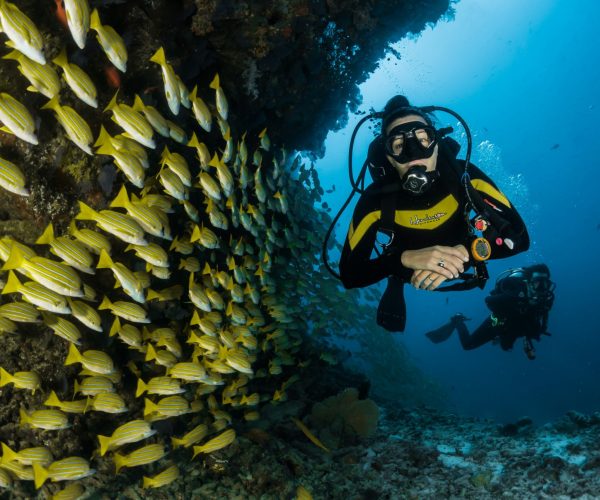
Overcoming fear involves gradual exposure and practical safety measures. Begin on land: Watch documentaries or read about shark ethology—the study of animal behavior—to demystify them. Respect their space by avoiding splashy movements that mimic injured prey, and dive in groups for added security.
For families, teach children that sharks are curious explorers, not hunters of humans; use common sense like avoiding areas with baitfish schools or fishing activity. Psychologically, face fears step-by-step: Start with snorkeling in clear, shallow waters, then progress to deeper dives. Awareness training, like recognizing shark body language (e.g., arched backs signal agitation), enhances safety without harm. In South Africa’s Eastern Cape, with 111 reported attacks historically, sticking to regulated sites minimizes risks.
From Curious to Confident: Transform Your Journey with Expert Guides
For safe, transformative encounters, opt for professional tours like those from Apex Predators. Their cage dives in Cape Town’s Seal Island or Gansbaai require no prior experience, using galvanized steel cages for protection while allowing intimate views of bronze whalers and sevengill sharks.
With a 30-year 100% safety record, zero incidents, and compliance with SAMSA regulations, these 3-4 hour trips include safety briefings and qualified dive masters. Year-round operations in biodiverse spots like Mossel Bay turn fear into awe, as sharks approach calmly, fostering respect. Conservationists appreciate Apex’s partnerships with the University of Miami for data collection via BRUVS surveys, aiding shark population studies. Families can combine dives with penguin colony visits, making it educational and fun.
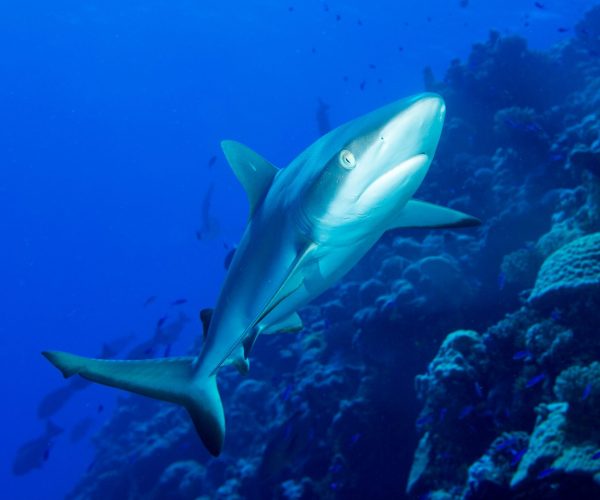

The Rewards: Conservation and Personal Growth
By participating responsibly, you contribute to shark protection—essential since South Africa’s waters host threatened species. Overcoming fear not only enriches your adventures but turns you into an advocate, dispelling myths and supporting marine health. Book with Apex Predators for a safe, science-backed journey that reconnects you with nature.