The Ultimate Guide to Shark Cage Diving in Cape Town (2026 Edition)

Shark cage diving in Cape Town remains one of the most established marine wildlife experiences in South Africa. With decades of research, tourism, and conservation work based in False Bay, the region continues to attract visitors who want to see sharks in their natural environment.

This guide covers everything you need to know about shark cage diving Cape Town in 2026, including how the experience works, what sharks you can expect to see, and how to choose the right operator.

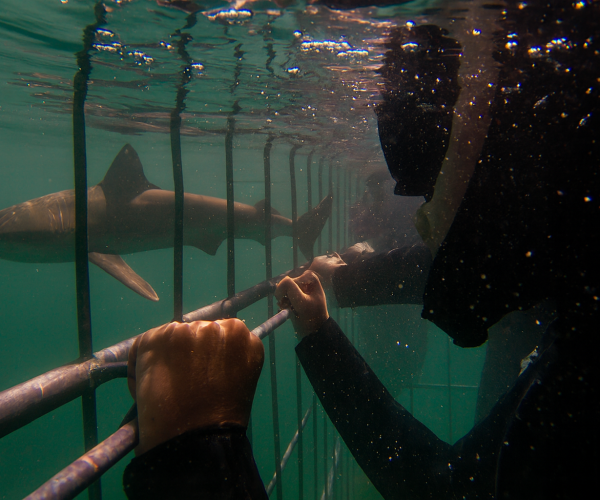
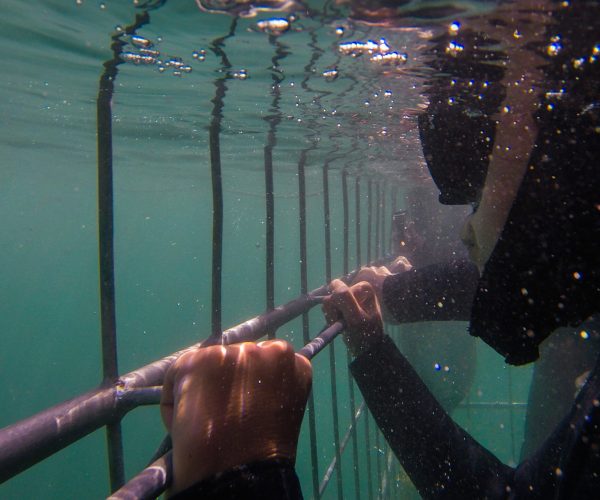
cage diver and bronze whaler
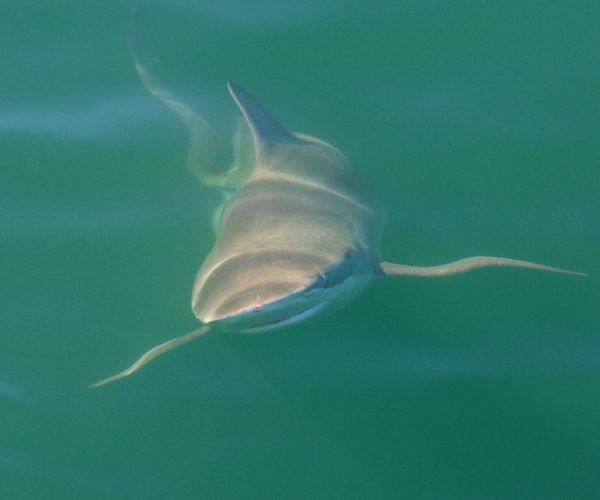
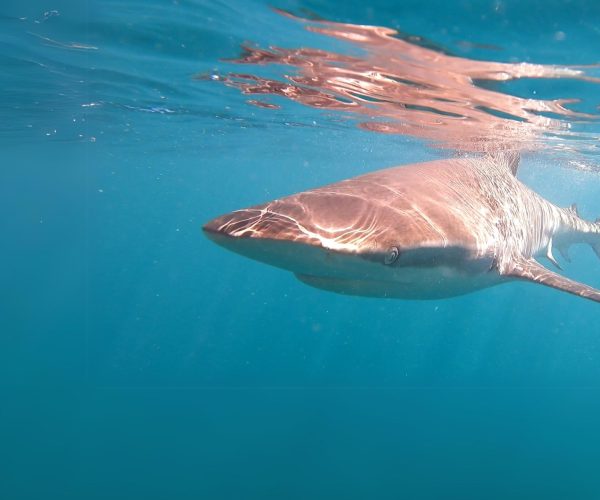
bronze whaler or copper shark, Carcharhinus brachyurus, swimming at the surface in False Bay, South Africa

Why Cape Town Is a Leading Shark Diving Destination

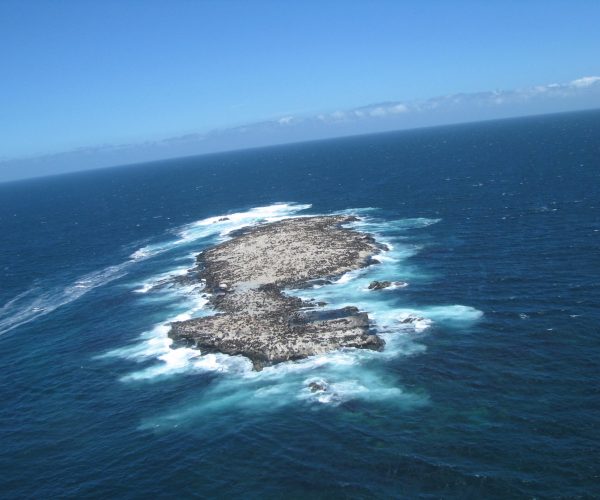
Cape Town has played a major role in global shark research. False Bay became known for its accessible coastline, diverse marine ecosystem, and historic great white shark activity around Seal Island.

While the ecosystem has evolved, the area remains one of the most studied shark environments in the world. Today, visitors looking for shark experiences can explore options for shark diving Cape Town through experienced operators based in Cape Town.

The proximity to the city is another key advantage. Most trips depart from Simon’s Town, allowing easy access without long travel times.

How Shark Cage Diving Works

Shark cage diving is designed as a controlled activity that allows guests to observe sharks safely.

Trips begin with a safety briefing at the harbour. The crew explains how the cage works, what to expect in the water, and how guests rotate through the experience.

The cage is attached to the side of the boat and remains close to the surface. Participants hold onto the bars and lower their heads underwater when sharks approach. No scuba certification is required, and all equipment is provided.

If you are planning your trip, you can review full inclusions and logistics on the Cape Town shark cage diving experience page.

What Sharks Can You See in Cape Town

The most common question from visitors is which sharks they will see.

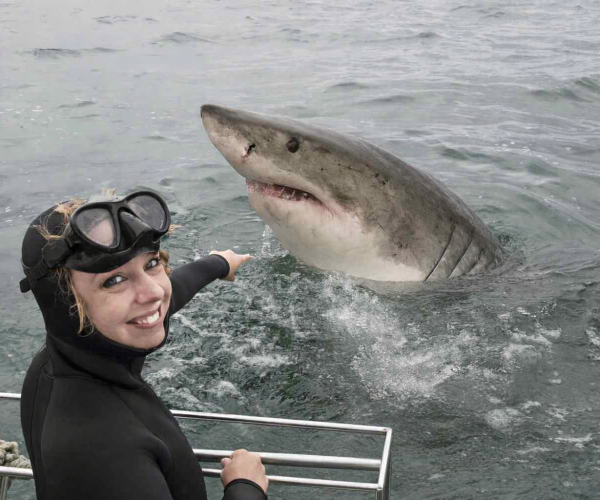
Historically, great white sharks were the main species observed in False Bay. However, changes in the marine ecosystem have affected their presence in recent years.

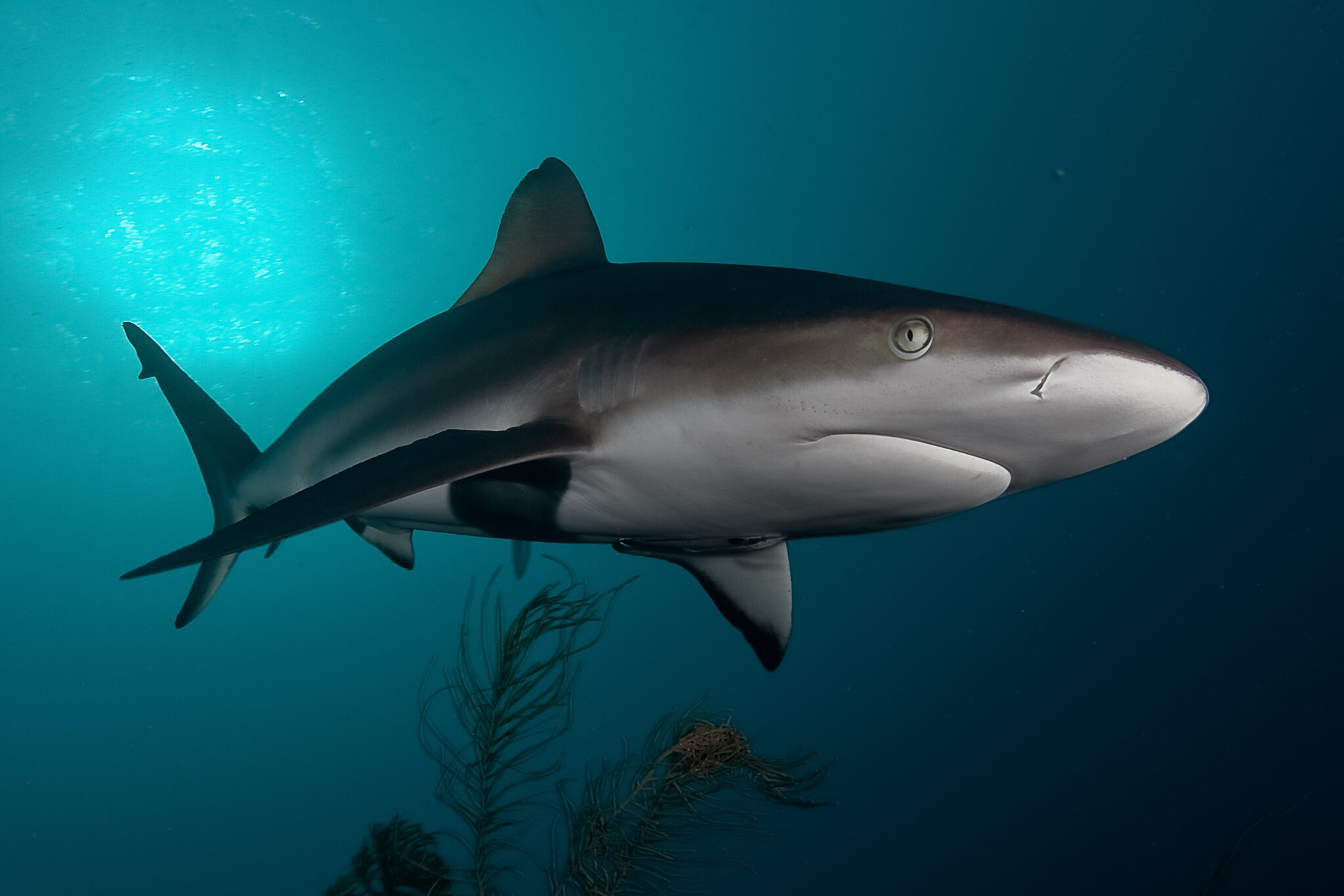
Today, bronze whaler sharks are the most frequently encountered species. These sharks are active and provide strong viewing opportunities.

To understand recent changes in shark behaviour and sightings, you can explore insights on the Apex shark diving blog.

Shark Cage Diving Cape Town - Apex Shark Expeditions
IMG_1095

Is Shark Cage Diving Safe?

Safety is a key factor when choosing an operator.

Licensed companies in South Africa follow strict regulations covering cage design, shark interaction, and crew training. The cage is securely attached to the vessel, and crew members supervise all activity in the water.

Operators with long-term experience are better equipped to manage ocean conditions and maintain consistent safety standards. You can learn more about Apex’s operational approach on the company overview page.

What a Typical Day Looks Like

A standard shark diving trip in Cape Town follows a structured format:

  • Arrival and registration at Apex’s HQ
  • Safety briefing and trip overview
  • Boat departure into False Bay
  • Setup of the cage and viewing area
  • Rotations through the cage
  • Seal Island tour
  • Return to harbour

The total duration is usually half a day, making it easy to include in most itineraries.

Best Time for Shark Diving in Cape Town

Shark cage diving operates throughout the year, but conditions vary by season.

False Bay offers consistent access to shark activity, although species presence may change depending on environmental factors. Weather and sea conditions are monitored closely, and trips may be adjusted accordingly.

For seasonal planning tips and updates, you can visit the Apex shark diving blog.

Choosing the Right Operator

When booking shark cage diving, consider:

  • Years of operational experience
  • Safety procedures
  • Group size and structure
  • Quality of vessel and equipment
  • Focus on education and conservation

Apex Shark Expeditions has been operating for nearly three decades and combines tourism with research and documentary work. You can also explore more about their trips and services across the main shark diving pages.

Clear water BW - MD
Great,White,Shark,Cage,Diving,In,South,Africa

Conservation and Research

Shark cage diving in Cape Town supports marine research and conservation awareness.

Operators spend significant time observing sharks, which allows them to contribute to data collection and long-term studies. Guests benefit from this through onboard education about shark behaviour and the marine ecosystem.

Should You Also Consider Gansbaai?

While Cape Town offers a strong shark diving experience, some visitors also explore other locations.

Gansbaai is another well-known shark diving destination along the Western Cape coastline. You can compare options by viewing the Gansbaai shark cage diving experience.

Final Thoughts

Shark cage diving in Cape Town continues to evolve alongside changes in the marine ecosystem. While species presence may shift, the experience remains one of the most direct ways to observe sharks in the wild.

With experienced operators, structured safety procedures, and a strong focus on education, the experience offers both a wildlife encounter and a deeper understanding of the ocean environment.

Book your Cape Town Shark Tour today.

Share This Post

Related Blogs

Shark Cage Diving

Guide to Shark Cage Diving in Gansbaai

Gansbaai, two hours outside of Cape Town is an embayment on the South West coast of the Western Cape. The water temperature varies from 12